
TL;DR

Get business pricing on your home office setup
- Business-only prices and quantity discounts
- Tax-exempt purchasing
- Multiple users, one account, clear invoices
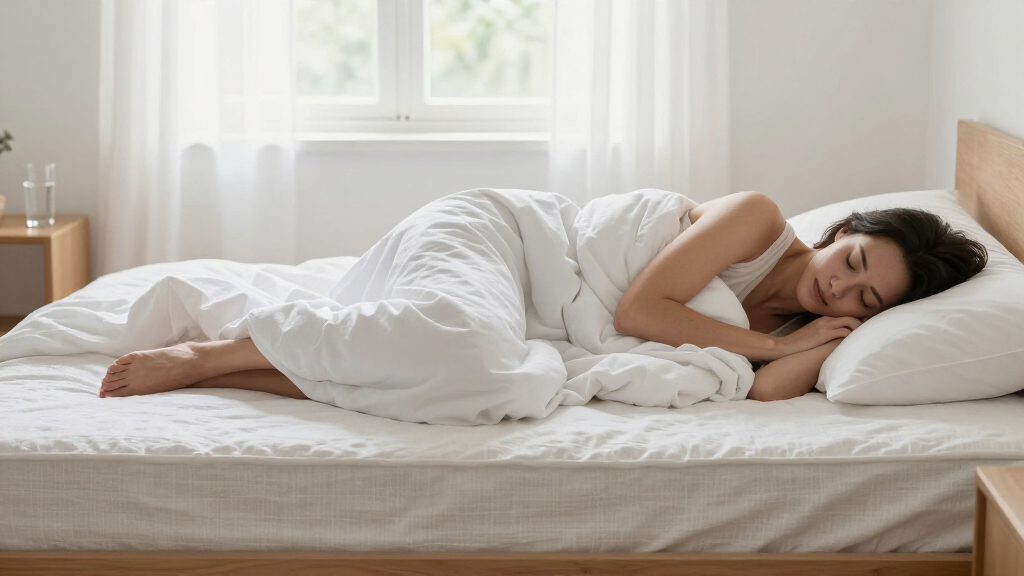
Online interest in cooling comforters aimed at hot sleepers is rising, with a widely shared testimonial describing nine years of use of one such product. No new product launch or study has been confirmed as the trigger. We break down what’s known and what isn’t.
Interest in cooling comforters designed for hot sleepers is spiking across search and lifestyle coverage, driven in part by a widely shared first-person testimonial in which a writer describes using one comforter for nine years while staying, in their words, “cool and cozy.” No new product launch, independent test, or scientific study has been confirmed as the trigger for the surge — the trend appears rooted in consumer testimonials rather than verifiable news.
The piece at the center of the current attention is a personal recommendation: a self-described hot sleeper reports that a single comforter has regulated their body temperature across nearly a decade of use. The claim is anecdotal. It reflects one person’s experience and has not been verified through controlled testing, manufacturer durability data, or independent review.
What is confirmed is the broader category. Cooling bedding — including comforters, blankets, and mattress toppers marketed with terms such as moisture-wicking, breathable, and temperature-regulating — is a long-established segment of the home textiles market. Materials commonly used include bamboo-derived viscose, eucalyptus-derived lyocell (Tencel), cotton, and lightweight down alternatives. These fabrics are widely understood, based on long-standing textile industry knowledge, to be more breathable than traditional polyester fills.
The testimonial’s appeal rests on durability as much as temperature: nine years is far longer than the typical lifespan cited for many synthetic comforters, which consumer guides often place at roughly two to five years depending on care and construction. That durability claim, however, applies only to the writer’s individual product and cannot be generalized.
Why Hot Sleepers Drive Bedding Trends
Temperature disruption is one of the most commonly cited barriers to restful sleep, and bedding is one of the least expensive variables a consumer can change — compared with, say, replacing a mattress or installing climate control. Recommendations framed around long-term personal use carry particular weight with readers precisely because most product reviews cover only the first weeks or months of ownership.
The current spike also illustrates how lifestyle coverage shapes purchasing behavior. A testimonial claiming nine years of satisfactory performance addresses two buyer concerns at once — heat regulation and durability — which helps explain why such pieces circulate widely even without independent verification. Readers should treat these claims as a starting point for research, not a substitute for it.
Top picks for "sleeper comforter kept"
As an affiliate, we earn on qualifying purchases.
The Longstanding Case for Breathable Bedding
Cooling bedding is not a new development. Textile manufacturers have marketed breathable, moisture-wicking sleep products for years, and the category has grown alongside broader consumer interest in sleep quality, tracked by organizations such as the National Sleep Foundation, which lists a cool bedroom environment among commonly recommended sleep conditions.
Personal-experience reviews of long-lasting household products — from cast-iron pans to wool blankets — are a durable genre in lifestyle media. The current interest in a nine-year comforter fits that pattern: it combines a common problem (sleeping hot) with an uncommonly long ownership claim, a combination that tends to perform well in search and social sharing.
“I’m a hot sleeper, and this comforter has kept me cool and cozy for nine years.”
— The widely shared testimonial’s headline
What the Testimonial Doesn’t Prove
Several things remain unclear. The specific product referenced in the circulating testimonial has not been independently verified in this reporting, and no manufacturer statement, warranty record, or third-party test supports the nine-year performance claim. It is not confirmed what triggered the current spike — whether algorithmic promotion of the article, seasonal shopping patterns, or broader coverage of sleep products.
It is also unknown whether the writer’s experience reflects typical performance for the product category. Individual factors — bedroom temperature, climate, body chemistry, and washing habits — all affect how a comforter performs over time, and no controlled comparison exists for this claim.
How to Evaluate Cooling Bedding Claims
Readers considering a cooling comforter can take a few practical steps: check the fill material and its documented breathability properties, review the manufacturer’s warranty and return window, look for verified-purchase reviews that mention long-term use, and confirm care instructions, since washing frequency affects lifespan. For those with persistent night sweats or severe heat disruption during sleep, a conversation with a healthcare professional is advisable, as temperature issues can have underlying causes that bedding cannot address. Whether the current spike in interest produces further verified testing or expert coverage of the specific product remains to be seen.
Key Questions
Do cooling comforters actually work?
Materials such as cotton, bamboo-derived viscose, and eucalyptus-derived lyocell are broadly recognized as more breathable than polyester fills, which can help with heat and moisture. Individual results vary based on bedroom temperature and personal factors. No independent test verifies the specific nine-year claim in the circulating testimonial.
How long should a comforter last?
Common consumer guidance places synthetic comforters at roughly two to five years, while higher-quality down or well-made alternatives can last longer with proper care. The nine-year figure in the testimonial is a single anecdotal claim and not a verified benchmark.
What should hot sleepers look for in bedding?
Breathable natural or semi-synthetic fabrics, lightweight fills, moisture-wicking properties, and machine-washable construction are commonly recommended. Checking warranty terms and long-term owner reviews helps assess durability claims before buying.
Is there a confirmed reason interest in this topic is rising now?
No. The spike appears tied to a widely shared personal testimonial, but the specific trigger — seasonal shopping patterns, search algorithms, or broader lifestyle coverage — has not been confirmed.
Source: rss
Fall Picks
fall essentials
As an affiliate, we earn on qualifying purchases.