TL;DR

Get business pricing on your home office setup
- Business-only prices and quantity discounts
- Tax-exempt purchasing
- Multiple users, one account, clear invoices
Wobble stools encourage micro-movements that may boost alertness and posture. While many users report feeling more focused, research is still developing. They can be a helpful addition, but aren’t a magic fix for all sitting-related issues.
Ever sit on a wobble stool? It might seem like a gimmick at first, but these unstable seats aim to turn passive sitting into an active process. The idea is simple: move a little, stay alert, and improve posture all at once.
If you spend hours at a desk, you’ve probably wondered if these funky chairs really work. Do they sharpen your focus? Reduce back pain? Or are they just another fad? We’ll explore what active sitting really does, what science says, and how you can get the most out of your wobble stool.
Wobble stools promote micro-movements that can boost alertness and engagement during long sitting sessions.
Proper adjustment and gradual use are key to maximizing comfort and benefits.
Scientific evidence suggests potential focus benefits, but individual experiences vary.
They’re best used as part of a diverse workspace routine—mixing standing, sitting, and movement.
Be cautious if you have balance issues or musculoskeletal concerns; start slow and listen to your body.
What Is Active Sitting? Why It Might Make a Difference
Active sitting is all about engaging your muscles and shifting your position while seated. Unlike traditional chairs that keep you static, active sitting encourages micro-movements—like tiny shifts, rocking, or wiggling—that keep your core muscles engaged and blood flowing.
Imagine sitting on a smooth, rounded ball or a wobble disc. These tools make it impossible to stay completely still, nudging you to adjust naturally. For example, a student studying at a desk might find that shifting slightly every few minutes keeps their mind sharper—kind of like fidgeting but more deliberate.
This approach aims to reduce the health risks of prolonged sitting—like back pain, poor posture, and reduced alertness—by making movement a regular part of your day.
By actively engaging your muscles, you also promote better circulation, which can help prevent the stiffness and fatigue associated with long periods of immobility. This can translate into feeling more energized and alert, especially during extended work or study sessions. However, the effectiveness depends on how consistently and correctly you incorporate these movements, and whether your body responds well to this type of activity. The tradeoff is that some may find the constant micro-movements distracting or tiring over time, which underscores the importance of individual adaptation and moderation.
As an affiliate, we earn on qualifying purchases.
Why Wobble Stools Are Gaining Popularity in Work and School Settings
Wobble stools are popping up everywhere—from home offices to classrooms. Their popularity comes from the promise of increased focus and a healthier way to sit. Teachers report that kids using wobble stools often seem more engaged and less restless.
One teacher shared that students with wobble stools seemed to stay on task 15% longer than those on traditional chairs. At home, remote workers notice that a little movement can break up the monotony and make long hours feel less draining.
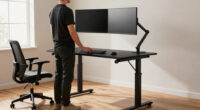
Some companies even pair wobble stools with sit-stand desks, aiming to keep employees moving throughout the day. These stools aren’t just trendy; they align with new ideas about ergonomic, movement-friendly workspaces.
Design innovations—like adjustable height and softer surfaces—are making wobble stools more inviting and comfortable, boosting their appeal.
As these stools become more integrated into daily routines, their popularity reflects a shift toward recognizing the importance of movement in sedentary environments. This trend signifies a broader awareness that static sitting can contribute to health issues, and that incorporating active elements can mitigate some of these risks. The tradeoff, however, is that not everyone finds these stools equally beneficial—some may find the constant movement distracting or fatiguing, which emphasizes the need for personalized ergonomic solutions.
As an affiliate, we earn on qualifying purchases.
The Science Behind Wobble Stools and Focus: Do They Really Help?
Wobble stools are believed to improve focus by promoting micro-movements that boost alertness. Small shifts can increase blood flow and stimulate brain activity, helping you stay attentive longer.
Research from ergonomic studies shows that active sitting can enhance concentration, especially during tasks that require sustained mental effort. For example, a 2018 study found that participants who used wobble cushions reported a 20% increase in alertness compared to static chairs.
However, the evidence isn’t unanimous. Some studies highlight that benefits depend on individual preferences, task type, and how the stool is used. For instance, someone working on detailed design work may find wobble stools distracting, while others thrive on the movement.
In essence, wobble stools have potential—but aren’t guaranteed to boost focus for everyone.
Understanding the science helps us recognize that the benefits of active sitting are complex and multifaceted. While some individuals experience improved concentration and reduced fatigue, others may find the constant micro-movements interfere with their ability to focus. The effectiveness often hinges on personal factors like body awareness, task nature, and habituation to movement. Therefore, while the science supports the idea that movement can enhance alertness, it also highlights that active sitting isn’t a one-size-fits-all solution, and individual experimentation is key to determining its true impact.
As an affiliate, we earn on qualifying purchases.
How to Get the Most Out of Your Wobble Stool
- Start slow: Use the wobble stool for short periods, like 15-20 minutes, then gradually increase as you get comfortable.
- Adjust height and stability: Ensure your feet are flat, knees at 90°, and your hips are slightly higher than your knees for proper posture.
- Combine with movement: Incorporate deliberate micro-movements—like rocking or shifting—to keep muscles engaged.
- Listen to your body: If you feel dizzy or uncomfortable, switch back to a traditional chair and try again later.
- Mix it up: Alternate between wobble stools, regular chairs, and standing desks to keep your body guessing.
For example, a remote worker might set a timer to switch from sitting on a wobble stool for 20 minutes to standing for 10 minutes, creating a dynamic, movement-rich routine.
Remember: consistency matters. Small, regular use can build comfort and help you notice real benefits over time.
Implementing these strategies allows you to harness the benefits of active sitting more effectively. The key lies in balancing movement with stability—overdoing it can cause fatigue or distraction, while too little might not yield the desired benefits. Personal experimentation with timing, adjustments, and movement styles is essential to find what works best for your body and work style.
As an affiliate, we earn on qualifying purchases.
Potential Downsides and Who Should Be Cautious
Wobble stools aren’t perfect. If you have balance issues, vertigo, or musculoskeletal problems, they might increase your risk of falls or discomfort. Always test in a safe environment first.
Some users report initial discomfort—sore muscles, or feeling unsteady. That’s normal; your body needs time to adapt. But if discomfort persists, consider consulting a healthcare professional.
Also, wobble stools aren’t a substitute for proper ergonomic chairs or medical treatment. They’re a tool—best used as part of a balanced workspace.
To minimize risks, start with short sessions and always use the stool on a non-slip surface.
Choosing to incorporate wobble stools into your workspace should be a thoughtful decision, considering your personal health and comfort. While they can promote movement and engagement, they also require some level of balance and stability. For individuals with existing balance or musculoskeletal issues, the risk of falls or strain increases, so gradual introduction and close attention to body signals are essential. Proper training and supervision for children or vulnerable individuals can further reduce risks, ensuring the benefits outweigh potential downsides.
Frequently Asked Questions
Do wobble stools really improve focus and productivity?
Many users report feeling more alert and less sluggish when using wobble stools, thanks to the micro-movements they encourage. Scientific studies are promising but still limited, so individual results vary—some find a boost, others don’t notice much difference.
Are wobble stools comfortable for long-term use?
Comfort depends on design and personal preference. Some find them supportive once adjusted, while others experience initial discomfort or fatigue. Gradually building your tolerance helps, and always prioritize proper height and stability.
Can wobble stools help reduce back pain?
Potentially, because they promote better posture and core engagement. However, they should complement ergonomic chairs and proper workspace setup—not replace them. If back pain persists, consult a healthcare professional.
Are wobble stools suitable for children or people with health issues?
They can be beneficial for children to promote movement and focus, but those with balance problems or health conditions should seek medical advice first. Always supervise use, especially for vulnerable individuals.
How do I pick the right wobble stool?
Look for adjustable height, a stable base, and a comfortable surface. Consider your workspace, personal preferences, and whether the stool encourages enough movement without causing discomfort or imbalance.
Conclusion
Wobble stools aren’t a one-size-fits-all magic pill for focus, but they can add a useful layer of movement to your day. Think of them as a gentle nudge to stay active without leaving your seat.
In the end, the best approach combines movement, ergonomic setup, and listening to your body. When used thoughtfully, wobble stools can help turn sitting into a more dynamic, engaging part of your routine—and maybe even make work or study a bit more lively.
Fall Picks
fall essentials
As an affiliate, we earn on qualifying purchases.