
TL;DR
A House Beautiful report describes a shift in 2026 interior design toward warmer, more personal spaces, based on comments from five designers. The approaches include greater use of wood and natural stone, layered furnishings, tactile surfaces and rooms designed to feel restorative.
A House Beautiful report says warmth is shaping interior design in 2026, with designers describing more use of wood, softly finished natural stone, layered furnishings and varied textures. The examples and observations come from designers interviewed for the report; they indicate a design direction, not a measured industry-wide shift.

Get business pricing on your home office setup
- Business-only prices and quantity discounts
- Tax-exempt purchasing
- Multiple users, one account, clear invoices
Wood is taking a more prominent role in cabinetry and architecture, according to Rachel Simpson, senior interior designer at Revive Design and Renovation. She said her firm is using more white oak, walnut and rift-cut cabinetry, along with wood ceilings and paneled walls. The report describes visible wood grain as a way to add depth across both modern and traditional interiors.
Simpson also described interest in warmer-veined quartzite, travertine and marble, in place of stark white countertop surfaces. She pointed to honed finishes as a softer alternative to high-polish stone, saying they let the material’s natural variation stand out without a glossy effect.
The other approaches focus on how a room feels and how its elements work together. Charles Greenfeld of Ethan Charles Design described creating a comfortable, contemporary mountain retreat; Ashley Powell of Roseberry Allen cited rugs, wall texture, art, draperies and lighting at different heights as ways to build layers. Jess Klein of Jess Klein Studio said closely related colors can feel more inviting when paired with materials that catch light differently.
How Warmth Changes Room Design
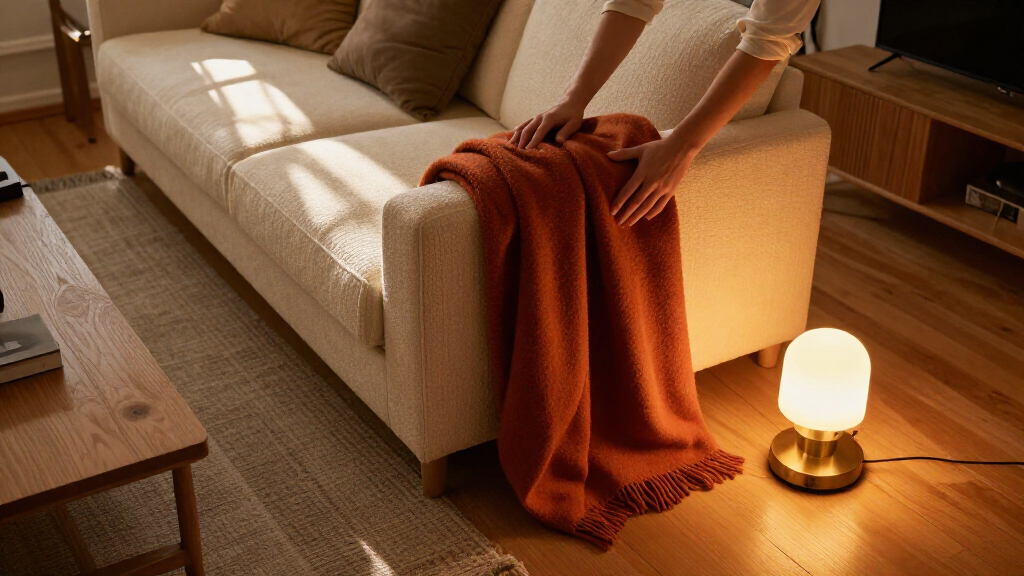
The designers’ comments frame warmth as more than a choice of paint color. They connect it to material, texture, lighting and personal detail, offering readers a broader way to think about changes to a room. A restrained palette, for example, can still have depth when wood grain, woven fabric and textured walls create contrast.
That approach may also influence renovation and furnishing decisions: the report highlights finishes and elements that can be incorporated at different scales, from a honed stone surface or wood cabinetry to rugs, artwork and layered lighting. The advice is descriptive, not a guarantee that any one material or combination will suit every home, budget or maintenance need.
Products Worth Considering

Greenworks 40V 16-Inch Push Lawn Mower with 4.0Ah Battery and Charger

EGO Power+ 21-Inch Cordless Push Lawn Mower with 56V 4.0Ah Battery and Charger (LM2112)

Greenworks 48V Cordless 17-Inch Push Lawn Mower with Two 4.0Ah Batteries
As an affiliate, we earn on qualifying purchases.
From Cool Neutrals to Layered Rooms
The report places this direction after years when cool neutrals and minimalist interiors were prominent. It describes a move toward spaces that look more lived-in and reflect the people who use them, while stopping short of presenting data on how widespread the change is.
Its five examples come from designers’ project experience and professional views. Greenfeld’s mountain-retreat project, for instance, was designed around a client’s idea of a “grown-up treehouse” among evergreens. The report says the designers aimed for a warm, contemporary interior that felt both luxurious and welcoming, using the overall composition rather than relying on one or two dramatic pieces.
“Warmth has become more than just a color palette or a particular material. It’s about spaces that feel authentic, comfortable, and reflective of the people who live in them.”
— Laura Gerber, founder of ODE Design
How Broad Is the Design Shift?
The report does not provide survey data, sales figures or a market-wide measure showing how common these choices are in 2026. Its claims are based on interviews with designers and examples from their work, so they should be read as professional observations rather than proof that most homeowners are changing their interiors.
It also does not compare the cost, durability or upkeep of the materials discussed. Whether a particular wood, stone finish or layering approach is practical will depend on the home and the people living in it.
What Homeowners Can Watch
The report offers no upcoming industry milestone or forecast. Readers considering a room update can use the five ideas as a design checklist—wood, warmer stone, a restful atmosphere, layered elements and tactile contrast—then weigh choices against their space and needs. Whether designers continue to favor these features beyond 2026 remains to be seen.
Key Questions
What does warmth mean in the report?
Designers describe it as a combination of materials, texture, lighting and personal character, rather than simply using warm colors.
Which woods does the report mention?
Rachel Simpson names white oak, walnut and rift-cut cabinetry, as well as wood ceilings and paneled walls.
What stone finishes are designers using?
The report cites quartzite, travertine and marble with warmer veining. Simpson says honed finishes can look softer and less glossy than polished surfaces.
How can layering make a room feel warmer?
Powell points to rugs, wall textures, art, draperies and lighting at different heights. Klein says materials with different surface qualities can add depth even when their colors are close.
Does the report prove that warmth is a widespread 2026 trend?
No. It presents interviews and project examples from designers, but does not include market data measuring how widespread the choices are.
Source: housebeautiful.com