TL;DR

Get your home office setup delivered free — and shop member deals
- Fast, free delivery on millions of items
- Access to Prime Big Deal Days deals on October 6–7
- Prime Video, Amazon Music and more included
Blue light from screens can cause discomfort and disrupt sleep, but it doesn’t damage your eyes permanently. Practical habits like the 20-20-20 rule and good ergonomics are your best tools for relief.
Ever felt your eyes burn after hours glued to a screen? Or wondered if blue light is quietly damaging your vision? You’re not alone. While many believe blue light is the villain behind eye damage, research tells a different story.
In this guide, you’ll learn what actually helps at a screen, cutting through the hype with practical, proven tips. We’ll explore the real role of blue light, effective habits, and simple tools you can use today to keep your eyes comfortable and your focus sharp.
Blue light from screens does not cause permanent eye damage; discomfort mainly results from focus fatigue and poor ergonomics.
Practicing the 20-20-20 rule and adjusting your environment are simple, proven ways to reduce eye strain.
Blue light filters and glasses may help, especially in the evening, but aren’t essential if you follow good habits.
Proper workspace setup—monitor height, lighting, glare control—can significantly improve comfort.
Regular breaks, blinking, and mindfulness are your best tools for keeping eyes healthy during long screen sessions.
Why Blue Light Gets Blamed for Eye Strain (And Why It’s Not the Whole Story)
Blue light is a high-energy visible (HEV) light emitted by screens and LED lighting. It’s often blamed for eye strain, but the truth is more nuanced. The discomfort from screens isn’t just about blue light. It’s also about how long you stare, glare, and how well your eyes blink.
Research shows that blue light exposure from screens is less intense than sunlight. Yet, many users complain of dry eyes, headaches, and blurred vision after long sessions. That’s because focusing on a close-up screen for hours strains your eye muscles and reduces blinking—leading to discomfort.
So, blue light contributes to the problem, but it’s not the sole culprit. It’s more about how your eyes respond to prolonged focus and poor ergonomics.
Understanding this helps us realize that addressing eye strain isn’t about just blocking blue light. Instead, it’s about managing focus, reducing glare, and maintaining healthy blinking habits—factors that directly impact how comfortable your eyes feel over time. Recognizing the tradeoffs, such as sacrificing some alertness or sleep quality for reduced discomfort, helps you make informed choices tailored to your needs.
blue light blocking glasses for computer
As an affiliate, we earn on qualifying purchases.
As an affiliate, we earn on qualifying purchases.
What Blue Light Really Does — And What It Doesn’t
Blue light is part of natural sunlight—without it, our circadian rhythms falter. It plays a role in alertness during the day but can interfere with sleep if you’re exposed to it late at night. However, current evidence suggests it doesn’t cause permanent eye damage or macular degeneration in healthy eyes.
According to an anonymous researcher, the primary effects of blue light are discomfort and sleep disruption, not damage. That’s why many opt for blue light filters or glasses. These tools may help reduce eye fatigue and improve sleep quality, but they aren’t magic bullets.
It’s important to weigh the benefits and limitations of blue light management tools. For example, blocking blue light at night can help improve sleep, but over-reliance on filters may lead some to overlook the importance of ergonomic habits and breaks. The tradeoff here is between perceived comfort and the need to address the root causes of eye strain, which are more about focus and environment than blue light itself.
In a typical workday, your eyes are more stressed by focus and glare than by blue light itself. It’s like blaming a small pebble for a landslide—there’s more behind the discomfort, and understanding this helps you prioritize effective strategies.
As an affiliate, we earn on qualifying purchases.
Simple Habits That Beat Eye Strain — No Fancy Gadgets Needed
When it comes to reducing eye strain, good habits beat gadgets every time. Here are five practical steps:
- Use the 20-20-20 rule: Every 20 minutes, look at something 20 feet away for 20 seconds. This relaxes your eye muscles and prevents fatigue. Why it matters: sustained focus causes the ciliary muscles to tighten, leading to fatigue and discomfort. Regularly shifting focus relieves this tension, maintaining comfort and clarity.
- Adjust your lighting: Avoid glare from windows or overhead lights. Use soft, indirect lighting to reduce contrast and reflections. Why it matters: glare and high contrast force your eyes to work harder, increasing strain and causing headaches. Proper lighting creates a more balanced visual environment, reducing fatigue.
- Maintain proper ergonomics: Position your screen so your eyes are level with the top third of the monitor. Keep your distance at about an arm’s length. Why it matters: poor positioning forces you to strain your neck and eyes, leading to discomfort and fatigue. Ergonomic setup ensures minimal effort for sustained focus.
- Blink often: Make a conscious effort to blink more—aim for 15-20 blinks per minute. It keeps your eyes moist and comfortable. Why it matters: reduced blinking during screen use leads to dry eyes and irritation. Regular blinking maintains tear film stability, preventing discomfort and blurred vision.
- Take regular breaks: Stand, stretch, and rest your eyes. Even brief pauses help reset your focus and reduce strain. Why it matters: continuous focus without breaks increases muscular fatigue and dry eyes. Breaks promote circulation and relaxation, preserving eye health over long periods.
Imagine working on a project and following these habits—your eyes stay fresh, and focus feels effortless. The tradeoff is that these habits require mindfulness and consistency, but the payoff in comfort and productivity is well worth it.
anti-glare screen filter for laptop
As an affiliate, we earn on qualifying purchases.
As an affiliate, we earn on qualifying purchases.
Blue Light Filters and Glasses — Do They Really Help?
Blue light filters and glasses are popular, but do they actually help? The answer: they can make a difference for some people, especially when used in the evening. Many report reduced discomfort and better sleep quality.
However, their effectiveness varies because individual responses differ. Some studies show modest benefits, while others find little difference. The key is understanding that these tools are supplementary and should complement good habits rather than replace them. For example, if you notice eye fatigue or sleep issues after screen time, trying blue light glasses might offer relief, but it’s not a guaranteed fix for everyone.
For instance, a remote worker who wears blue light glasses during evening sessions reports falling asleep easier and feeling less eye discomfort. But during the day, regular habits like blinking and proper lighting are often enough, making the glasses optional tools rather than essentials. The tradeoff: relying solely on these gadgets might lead you to overlook foundational habits that provide more consistent relief.
In conclusion, blue light filters and glasses are helpful for some but are best used as part of a comprehensive strategy that emphasizes ergonomics, breaks, and environment adjustments.
blue light glasses for evening use
As an affiliate, we earn on qualifying purchases.
As an affiliate, we earn on qualifying purchases.
How to Set Up Your Screen for Maximum Comfort
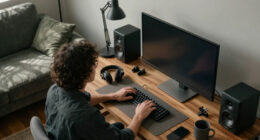
Setting up your workspace properly can do more for your eyes than any filter. Here’s a quick checklist:
- Position your monitor: Top of the screen at eye level, about an arm’s length away.
- Adjust brightness and contrast: Match your screen brightness to ambient light to avoid glare.
- Use anti-glare screens or matte finishes: Reduce reflections that cause eye strain.
- Control ambient lighting: Soft, indirect lighting reduces harsh contrast and glare.
- Limit screen reflections: Position your monitor perpendicular to windows or bright lights.
Imagine sitting at a desk with a gentle glow around your monitor, your eyes relaxed, and your focus effortless. That’s the power of a well-set workspace. Proper setup not only prevents immediate discomfort but also helps maintain eye health and comfort over the long term. Investing time in ergonomic adjustments is a tradeoff worth making for sustained comfort and productivity.
Comparing Blue Light Filters and Other Eye-Saving Hacks
| Method | Effectiveness | Best Use | Notes |
|---|---|---|---|
| Blue light filters/glasses | Moderate for discomfort and sleep | Evening use, reducing eye fatigue | Effectiveness varies; best as part of a broader strategy |
| 20-20-20 rule | High; proven to reduce fatigue | During work to prevent strain | Simple, effective, easy to remember |
| Proper lighting & ergonomics | High; prevents many causes of strain | All-day comfort | Initial setup required, but long-term benefits outweigh effort |
| Blinking & breaks | High; keeps eyes moist and rested | Any screen session | Essential for maintaining eye health during prolonged use |
Frequently Asked Questions
Does blue light from screens cause permanent eye damage?
No. Current science shows that typical exposure to blue light from screens doesn’t cause lasting eye damage. The main issues are discomfort and sleep disruption, which can be managed with good habits.
Are blue light glasses worth it?
They can help reduce eye fatigue and improve sleep for some people, especially in the evening. But they aren’t a magic fix—good habits and ergonomic setup matter more.
How can I reduce eye strain from long screen sessions?
Follow the 20-20-20 rule, optimize your lighting, set your monitor correctly, blink often, and take regular breaks. These steps are simple but highly effective.
Is night mode or blue light filtering necessary?
Not for everyone, but many find it helpful in the evening to sleep better and feel less eye fatigue. Try it and see if it makes a difference for you.
How long should I limit continuous screen time?
While there’s no strict limit, taking frequent breaks and avoiding prolonged focus helps prevent discomfort. Listening to your body is key.
Conclusion
Your eyes are not fragile, but they need respect. Simple habits—like taking breaks, adjusting your workspace, and blinking often—can make a big difference. The next time you settle in at your screen, remember: comfort comes from consistent, mindful habits, not just gadgets.
Think of your eyes as muscles—use them wisely, and they’ll serve you well for years to come. Why not start today?
Fall Picks
fall essentials
As an affiliate, we earn on qualifying purchases.