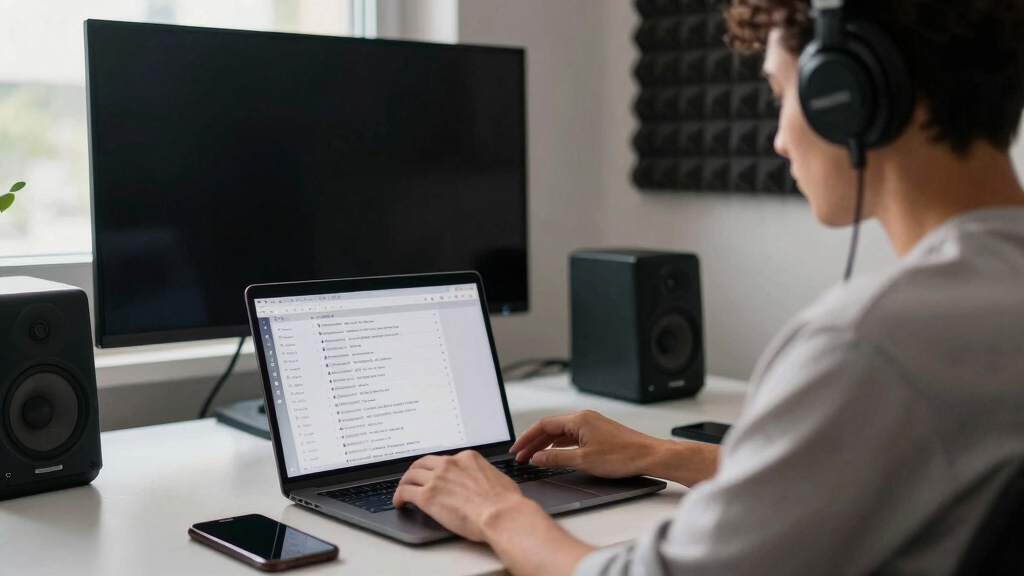

TL;DR
Listen free for 30 days with Audible
Thousands of audiobooks and originals — cancel anytime.
Start your free trialAs an affiliate, we earn on qualifying purchases.
Choosing the best focus soundtrack varies by person. Music without lyrics, ambient noise, or silence can all enhance concentration, but the key is tailoring your environment through trial and error.
In a world packed with distractions, the quest for focus often leads us to soundtracks. Some swear by classical tunes, others by the gentle hum of rain, while many find silence the purest form of clarity. But what truly works? And how do you create your personal focus soundtrack? Today, you’ll learn how different sounds influence concentration, plus practical tips to tune your environment to your needs.
Whether you’re deep into a project or just trying to get through a mountain of emails, understanding what kind of background noise or silence suits you best can make all the difference. Let’s explore the science, the options, and how to craft your perfect focus soundtrack.
Personal preference is key—what works for one person might not for another.
Instrumental music or steady ambient noise typically enhances focus more than lyrical songs.
Volume matters—keep it moderate to avoid distraction.
Experiment with different sounds and track your productivity to find your best environment.
Technology can help—use apps to create adaptive, personalized soundscapes.
What’s the difference between music, noise, and silence for focus?
Music, ambient noise, and silence each create a different mental landscape. Music often involves melodies and rhythms that can energize or relax you, but lyrics might distract during language-heavy tasks. Ambient noise like rain or ocean sounds help mask disruptive sounds and create a calming backdrop. Silence, on the other hand, strips away all distractions, allowing your mind to focus solely on the task. For example, a writer working on a novel might prefer silence, while a data analyst might find instrumental music or nature sounds better for maintaining rhythm.
Choosing between these options depends on your task complexity and personal taste. Sometimes, a simple switch from music to silence can boost your focus when your mind starts wandering.

Classical Study Music Playlist: Relaxing Instrumental Classical Piano Music For Studying, Classical Study Aid, Music For Focus and Concentration and Music For Reading and Studying Music
As an affiliate, we earn on qualifying purchases.
As an affiliate, we earn on qualifying purchases.
Which sounds actually boost your brainpower? The science behind focus soundtracks.
Recent research shows that steady, predictable sounds can help your brain enter a state of deep concentration. For example, music with a consistent rhythm—think a metronome—can promote alpha wave activity, associated with relaxed alertness. Ambient noise like white or pink noise can drown out sudden distractions, making it easier to stay on track. These sounds essentially create a stable auditory environment that reduces cognitive load by minimizing unpredictable stimuli, allowing your brain to allocate resources more efficiently to your tasks.
Understanding these effects matters because it highlights the importance of consistency in your sound environment. Unpredictable or lyrical music can activate different brain regions, often competing with the areas involved in focus and problem-solving. The tradeoff is that while some find lyrical music motivating, it can also fragment attention, especially during complex tasks. Recognizing this helps you choose sounds that align with your cognitive needs—steady, instrumental sounds for sustained focus, or silence for deep problem-solving. Advances in AI-powered soundscapes are now making it possible to customize environments that adapt in real-time, offering a tailored balance between stimulation and calm, which can significantly enhance productivity if used wisely.
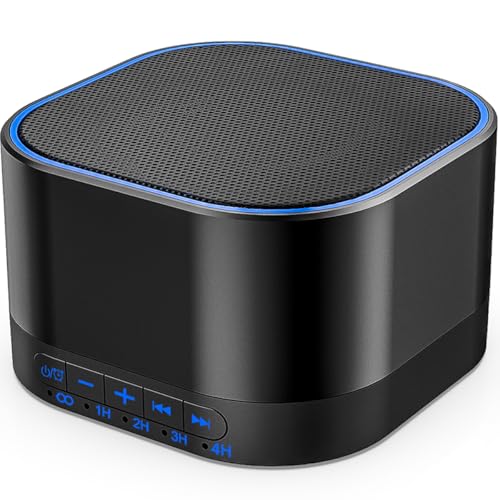
Magicteam Sound White Noise Machine with 20 Non Looping Natural Soothing Sounds and Memory Function 32 Levels of Volume Powered by AC or USB and Sleep Sound Timer Therapy for Baby Kids Adults
- 20 Non-Looping Sounds: Includes white, pink, brown, blue noise, and nature sounds
- Adjustable Volume & Timer: 32 volume levels and multiple timer options
- Portable & Compact Design: Small size for home, office, or travel
As an affiliate, we earn on qualifying purchases.
As an affiliate, we earn on qualifying purchases.
How to pick the perfect focus soundtrack for your work style
- Identify your task type. Is it creative, analytical, or repetitive? Hard tasks often require minimal distraction, so environments like silence or very subdued ambient sounds can help you conserve mental resources. Creative tasks might benefit from music that stimulates imagination without overwhelming your senses, such as instrumental or ambient tunes. Repetitive tasks, which can induce boredom or fatigue, are often best paired with steady background noise that maintains a consistent rhythm, helping to sustain attention over longer periods. Recognizing how different sounds influence your mental state allows you to tailor environments that support your specific cognitive process, ultimately reducing fatigue and increasing efficiency.
- Test different sounds for short periods. Play instrumental music, ambient nature sounds, or try silence. Observe not just your immediate ability to focus, but also how your energy levels, motivation, and mental clarity evolve during and after each session. This helps identify which environment promotes sustained attention and minimizes mental fatigue. The tradeoff here is balancing novelty with familiarity—what initially sparks focus might become monotonous, so periodically rotating soundscapes can keep your brain engaged and prevent habituation.
- Adjust volume to moderate levels. Too loud, and sounds may become a distraction or even induce stress; too soft, and they might be ineffective at masking disruptive noises. The goal is to find a volume that creates an immersive environment without overpowering your sense of space. This balance ensures your focus is supported rather than hindered, and it varies depending on your environment and personal sensitivity.
- Use dedicated apps or playlists. Platforms like Brain.fm, Noisli, or Spotify focus playlists are designed with research-backed sound patterns to optimize concentration. Many of these tools include adaptive features that respond to your feedback, adjusting the soundscape dynamically to help maintain your focus. This technological assistance can save you time and frustration by removing the guesswork, allowing you to quickly find and stick with environments that work best for you.
- Track your productivity. Keep a simple journal or use digital tools to note which sounds correlate with higher efficiency, fewer errors, or less fatigue. Over days or weeks, patterns will emerge—perhaps rain sounds boost your endurance, or silence sharpens your problem-solving. Recognizing these patterns allows you to develop a personalized sound profile that maximizes your focus, making your work sessions more effective and less mentally draining.
For example, one remote worker found that playing gentle rain sounds during deep work sessions doubled their focus time compared to music with lyrics or total silence. Recognizing these nuanced effects on your cognitive state can help you craft an environment that aligns with your unique needs, ultimately transforming your work experience into a more productive and enjoyable process.

ProCase Hearing Protection Ear Muffs SNR 33dB, Noise Cancelling Headphones
- Hearing Protection Rating: NRR 28 dB, ANSI S3.19 certified
- Adjustable Headband: Fits most head sizes comfortably
- Foldable & Portable: Compact, lightweight for travel
As an affiliate, we earn on qualifying purchases.
As an affiliate, we earn on qualifying purchases.
Comparison table: Which focus sound environment fits your work style?
| Sound Environment | Best For | Pros | Cons |
|---|---|---|---|
| Instrumental Music | Creative tasks, writing, brainstorming | Boosts mood, energizes | Lyrics can distract, especially during language-heavy tasks |
| Ambient Noise (rain, ocean) | Repetitive tasks, focus with distraction masking | Reduces external interruptions, creates a calming environment | May become monotonous over long periods, potentially leading to habituation |
| Silence | Deep concentration, complex problem-solving | Purest form of focus, minimizes sensory input | Can feel isolating or uncomfortable for some, especially if background noise is absent |
| White Noise | Noisy environments, sleep aid | Blocks sudden sounds, provides consistent masking | Can be distracting or fatiguing if volume is too high, may cause discomfort over prolonged periods |

Sunrise Alarm Clock White Noise Sound Machine, Natural Wake Up Light for Adults, Baby and Pets – 30 Non-Looping Sleep Sounds, 10 Color Ambient Night Light, Screen-Free Sleep by Paus
- 30 Non-Looping Sleep Sounds: Organic melodies, meditation tones, healing frequencies
- Sunrise Alarm & Wake-Up: Gradual sunlight simulation with 7 alarm tones
- Versatile Soothing Sounds: Rain, thunder, fireplace, fan, and meditation sounds
As an affiliate, we earn on qualifying purchases.
As an affiliate, we earn on qualifying purchases.
Frequently Asked Questions
Is it better to work with music or silence?
It varies by person and task. Some find silence ideal for deep concentration, while others benefit from instrumental music or ambient sounds to keep their mind engaged and block distractions.Can music with lyrics help me focus?
Generally, lyrics can be distracting, especially during language-heavy tasks. However, some people find that certain genres, like classical or ambient, with no lyrics, work better for focus.What should I do if I get bored of my current sound environment?
Try switching to a different type of sound or adjusting the volume. Also, explore new apps or playlists designed for focus—changing your environment keeps your brain engaged and prevents habituation.Are binaural beats effective for focus?
Some studies suggest binaural beats may influence brain activity to promote focus, but results are mixed. It’s worth experimenting to see if they help you stay on track.How loud should my focus sounds be?
Keep the volume moderate—loud enough to mask distractions but not so loud that it pulls your attention away from work. Usually, a comfortable background level works best.Conclusion
Choosing your focus soundtrack isn’t about following rules. It’s about tuning into what makes your brain click. Whether it’s soothing rain, instrumental melodies, or pure silence, the right environment transforms your work from a struggle into flow.
Next time you’re stuck, switch up your soundscape. Your best focus might just be a click away—ready to turn chaos into clarity.
Pool season Picks
robotic pool cleaners
As an affiliate, we earn on qualifying purchases.