
TL;DR
Standard chairs often have a seat depth of 16-20 inches, too deep for smaller frames. Choosing chairs with 14-16 inches of seat depth, adjustable features, and ergonomic design helps ensure comfort and proper support for shorter legs.
If you have shorter legs or a petite frame, sitting comfortably in standard office chairs can feel like trying to fit into a one-size-fits-all jacket. The key is understanding how seat depth influences your posture and support.
In this guide, you’ll learn why seat depth matters for smaller bodies, how recent design innovations cater to your needs, and practical tips to find or modify your ideal chair. Comfort isn’t just a luxury — it’s a necessity for your productivity and health.
Choose chairs with adjustable seat depth, ideally between 14-16 inches, for a better fit for smaller frames.
Prioritize ergonomic features like lumbar support and adjustable height to support healthy posture.
You can modify standard chairs with cushions and footrests if new furniture isn’t an option.
Look for chairs specifically marketed for petite or small users, featuring modular, customizable designs.
Proper fit reduces discomfort, improves circulation, and boosts productivity over long work hours.
Why Seat Depth Matters More When You Have Shorter Legs
Seat depth is the distance from the backrest to the front edge of the seat. For smaller frames, a standard 16-20 inch depth often feels like sitting on a park bench when you only need a cozy armchair.
If your thighs hang over or press uncomfortably against the front, circulation can suffer, and your posture may suffer too. A seat depth of around 14-16 inches usually supports your thighs fully without pressure behind the knees, encouraging better circulation and posture.
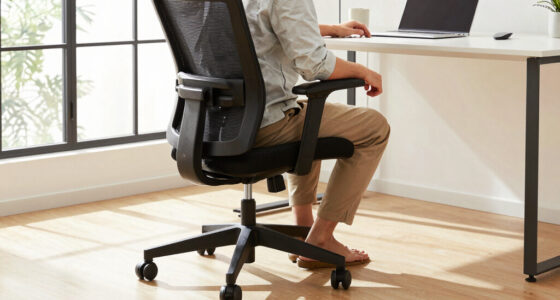
Imagine sitting in a chair where your knees are bent at a comfortable 90 degrees, and your feet rest flat on the floor. That’s the sweet spot for smaller frames, and it’s all about the right seat depth.
Choosing a seat depth that is too long can cause your legs to dangle or pressure behind your knees, leading to discomfort and reduced circulation over time. Conversely, a seat that is too shallow may not provide enough thigh support, causing slouching or instability. Finding that optimal range means balancing support with freedom of movement, which directly impacts your comfort and spinal health. When the seat is too deep, it can restrict blood flow and cause fatigue, while too shallow can lead to slouching and lack of support, both of which compromise posture and long-term comfort.

HUANUO FlowLift™ Ergonomic Office Chair with 6D Armrest, Seat Depth Adjustment, Lumbar Support, Quiet Rubber Caster, High Back Mesh Desk Chair with 3D Headrest, Big and Tall Chair for Home Office
Improved Ergonomic Fit: The lumbar system of HUANUO ergonomic office chair adjusts up and down to provide strong…
As an affiliate, we earn on qualifying purchases.
As an affiliate, we earn on qualifying purchases.
How to Choose a Chair That Fits Smaller Frames — 3 Must-Know Tips
- Check for adjustable seat depth: Look for chairs that let you slide the seat forward or backward. This simple feature makes a big difference in customizing fit. The ability to fine-tune the seat depth allows you to set the support exactly where your thighs need it, which can prevent pressure buildup behind the knees and reduce fatigue over long periods.
- Prioritize adjustable seat height: Your feet should be flat on the floor, with knees at a 90-degree angle. Adjustable height ensures this regardless of your leg length. Proper height alignment promotes better circulation, reduces strain on your lower back, and encourages a natural sitting posture.
- Test lumbar support and seat width: Smaller frames often need less lateral space. Ensure the lumbar support aligns with your lower back, providing enough support without forcing you into an unnatural curve. The seat width should be narrow enough to prevent slouching or side leaning, but wide enough to support your hips comfortably. Proper fit here helps maintain spinal alignment and reduces discomfort. Remember, the right combination of support and fit can prevent long-term issues like back pain and musculoskeletal strain, especially important for smaller users who might otherwise struggle with standard-sized chairs.
In a real scenario, a petite worker found a chair with adjustable seat depth and height. After a quick setup, her back pain vanished, and her legs no longer cramped.

CabeVibe CabLady S2 Petite Office Chair for Women & Small Frames
Built for Petite Frames — 17.7"-21.6" Seat Height, Feet Flat on Floor – Engineered with a lower seat…
As an affiliate, we earn on qualifying purchases.
As an affiliate, we earn on qualifying purchases.
Compare Standard vs. Small-Frame Chairs — What’s the Difference?
| Feature | Standard Chairs | Chairs for Smaller Frames |
|---|---|---|
| Seat Depth | 16-20 inches | 14-16 inches |
| Seat Width | 18-22 inches | 16-18 inches |
| Adjustability | Often limited | Typically includes adjustable seat depth and height |
| Intended User | Average to tall individuals | Petite or shorter individuals |
Choosing the right type means considering your body size first. A smaller frame needs a chair that can adapt to its unique shape without sacrificing support or comfort.
Understanding these differences helps prevent issues like slouching or leg discomfort, which can arise when a chair is too deep or wide for your body. Properly fitted furniture promotes better posture and reduces the risk of musculoskeletal problems over time.

Ergonomic Mesh Office Chair for Home Office, Flip-Up Arms, Breathable Mesh Back & Thick Seat Cushion, Swivel Rolling Computer Desk Chair, BIFMA Certified, Supports 300 lbs (Black Frame/Black Seat)
Strong & Certified Quality: The aerospace-grade plastic frame safely supports up to 300 lbs , ensuring superior durability…
As an affiliate, we earn on qualifying purchases.
As an affiliate, we earn on qualifying purchases.
Simple Steps to Modify a Standard Chair for Better Fit
If replacing your chair isn’t an option, you can make some adjustments. First, add a lumbar cushion to support your lower back. Second, use a seat cushion to raise your hips slightly, aligning your knees properly.
Finally, consider a footrest to keep your feet flat and reduce pressure behind your knees. Small tweaks like these can turn a too-deep, uncomfortable seat into a supportive throne. These modifications help optimize your existing chair, making it more adaptable to your body’s needs and preventing long-term discomfort.
For example, a student working from home used a foam cushion and a footrest to turn her bulky, deep chair into a cozy fit that supported her shorter legs.

Flash Furniture Adjustable Height Black Student Chair with Black Pedestal Frame
Classroom Chair with Sturdy Frame
As an affiliate, we earn on qualifying purchases.
As an affiliate, we earn on qualifying purchases.
Why Ergonomics for Smaller Bodies Is a Growing Focus
As more people work from home or prefer compact furniture, chair designers are shifting focus toward smaller frames. Ergonomic principles now emphasize adjustability and support tailored to diverse body types.
Recent innovations include memory foam cushions, breathable fabrics, and modular components that adapt to your unique shape. This means less compromise between comfort and style for smaller users.
Imagine sitting in a chair that molds perfectly to your back, with subtle adjustments that fit your legs like a glove. That’s the future of ergonomic seating for smaller frames.
What to Look for When Buying a Chair for a Petite Frame
- Adjustable seat depth and height: Essential for customizing your fit.
- Proper lumbar support: Ensures your lower back stays aligned.
- Smaller seat width: Keeps your hips supported without slouching.
- Lightweight and easy to adjust: Makes fine-tuning your setup quick and effortless.
When shopping, test chairs in person if possible. Sit, adjust, and see if your feet stay flat and your back feels supported. Don’t settle for a one-size-fits-all approach.
Frequently Asked Questions
How do I know if a chair is suitable for my smaller frame?
Look for adjustable seat depth, height, and lumbar support. Test the chair if possible, ensuring your feet are flat on the floor and your thighs are supported without pressure behind the knees. Fits should feel natural and supportive.
What features are most important for a smaller person’s chair?
Adjustable seat depth, seat height, lumbar support, and a narrower seat width are key. These features help customize the fit, reduce slouching, and maintain healthy circulation.
Can I modify my existing standard chair for a better fit?
Yes. Adding cushions, lumbar supports, or footrests can improve comfort. However, the best solution is a chair with built-in adjustability, offering a more permanent and ergonomic fit.
Are there brands that cater to small or petite users?
Yes, brands like Herman Miller’s Mira and Steelcase’s Amia offer models with adjustable features suited for smaller frames. Always check for customizable seat depth and lumbar support.
Why is seat depth so critical for long-term comfort?
Proper seat depth supports your thighs fully, reducing pressure behind the knees and promoting good circulation. It also helps maintain spinal alignment, preventing discomfort and musculoskeletal issues during long sitting periods.
Conclusion
Finding a chair that suits your smaller frame isn’t about compromise — it’s about understanding your body’s needs and choosing features that support your health. A well-fit chair becomes a partner in your daily work, not a source of pain or distraction.
Next time you sit down, think of your chair as a tailor-made seat, molded just for you. Your back, legs, and mind will thank you for it.