
TL;DR
Quieting a noisy home office is achievable through a mix of simple soundproofing, strategic scheduling, and noise masking. Implementing these techniques can boost your focus and reduce stress during work or study hours.
If your home office feels more like a noisy battlefield than a calm workspace, you’re not alone. Background noise from traffic, family members, or pets can chip away at your focus faster than you might think.
In this guide, you’ll discover simple, effective ways to cut through the chaos. Whether it’s a quick fix or a longer-term solution, these tips help you carve out quiet, so you can concentrate and get work done without stress.
Identify your main noise sources to target your solutions more effectively.
Physical barriers like acoustic panels and heavy curtains can cut noise by up to 50%.
Designate a dedicated workspace to mentally and physically separate you from household distractions.
Use white noise or nature sounds to mask unpredictable or sporadic noise disruptions.
Coordinate with family members and adjust your schedule to minimize noise during critical work moments.
Identify Exactly Where the Noise Comes From — and How to Tackle It
The first step in quieting your home office is knowing what you’re dealing with. Is it the traffic blaring outside? Your roommate’s loud music? Or the hum of your refrigerator?
Imagine working on a call when the neighbor’s lawnmower roars to life. Recognizing the source helps you choose the right fix — whether it’s sealing gaps or scheduling calls at quieter times.
For example, if noise comes from outside, focus on barriers like weatherstripping windows or planting dense bushes outside. Internal noise? Soft furnishings and organizational tweaks can absorb sound better.
Understanding the specific source of noise is crucial because each type requires a different approach. External noises like traffic are best mitigated with physical barriers, which can be costly or require ongoing maintenance, but provide long-term relief. Internal noises, such as appliances or conversations, can often be managed with strategic placement or sound-absorbing materials. Recognizing the nature of your noise helps you prioritize actions and avoid wasting resources on ineffective solutions.

Focusound 52 Pack Acoustic Foam Panels 1" x 12" x 12" Sound Proof Foam Panles Soundproofing Noise Cancelling Wedge Panels for Home Office Recoding Studio with 300PCS Double-Side Adhesive
Soundproofing – Acoustic foam panels triangular grooves structure for better noise absorption, helps to reduce and absorb unwanted…
As an affiliate, we earn on qualifying purchases.
As an affiliate, we earn on qualifying purchases.
Physical Soundproofing That Really Works — Without Breaking the Bank
Soundproofing isn’t about transforming your home into a soundproof studio. It’s about adding layers that absorb or block noise, which can make a significant difference without a hefty investment. The effectiveness of these methods depends on understanding how sound travels and the tradeoffs involved.
For instance, heavy curtains can reduce noise by up to 20%, but they also help control room acoustics and light, creating a more comfortable workspace. Acoustic panels are more effective—up to 50% noise reduction—but they can be styled to match your decor, making them a practical aesthetic upgrade. Rugs and soft furniture absorb sound and reduce echoes, but their impact varies based on material and placement. Combining multiple low-cost solutions often yields better results than relying on a single method, but each has its tradeoffs—cost, installation effort, and aesthetic impact.
Understanding these tradeoffs allows you to make informed decisions based on your budget and priorities. For example, investing in acoustic panels offers higher noise reduction but may require a larger upfront cost, while soft furnishings are low-cost but less effective on their own. Strategically combining these methods can optimize your noise mitigation without overwhelming your budget or decor.
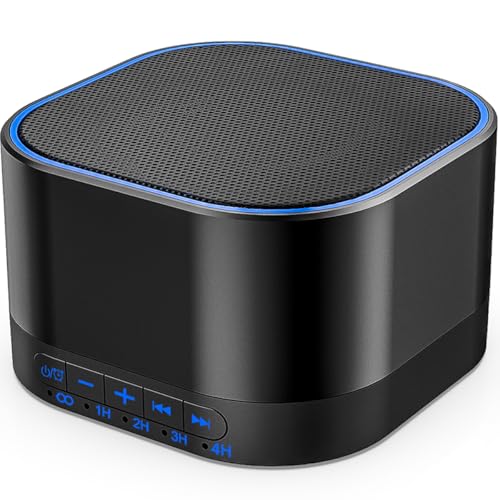
Magicteam Sound White Noise Machine with 20 Non Looping Natural Soothing Sounds and Memory Function 32 Levels of Volume Powered by AC or USB and Sleep Sound Timer Therapy for Baby Kids Adults
❤20 Non-Looping Sleep Sounds: White noise ,Brown noise, pink noise, blue noise, fan,brook, rain, ocean,bird and Bonfire,suitable for…
As an affiliate, we earn on qualifying purchases.
As an affiliate, we earn on qualifying purchases.
Create a Dedicated, Noise-Resistant Workspace in Your Home
Designating a specific corner or room for work helps establish clear boundaries—both mentally and physically. This separation is vital because it signals to others that you’re in focus mode, reducing interruptions and helping your brain associate that space with productivity.
Imagine a small nook with a sturdy desk, a bookshelf, and a door you can close. This setup not only minimizes distractions but also acts as a barrier to contain noise. Positioning your desk away from main doors or windows can significantly cut external noise infiltration, but be aware of potential tradeoffs: a corner close to a noisy street may require additional soundproofing measures.
The key is to create a space that feels distinct from the rest of your home, which can be achieved through furniture arrangement, sound-absorbing materials, and clear boundaries. For example, using a bookshelf as a barrier filled with books not only provides storage but also dampens sound transmission. Small changes, like adding a fabric curtain or placing a soft mat under your chair, can further improve acoustics. The goal is to craft a zone that, through design and materials, naturally reduces noise and enhances focus, making your work sessions more effective and less stressful.
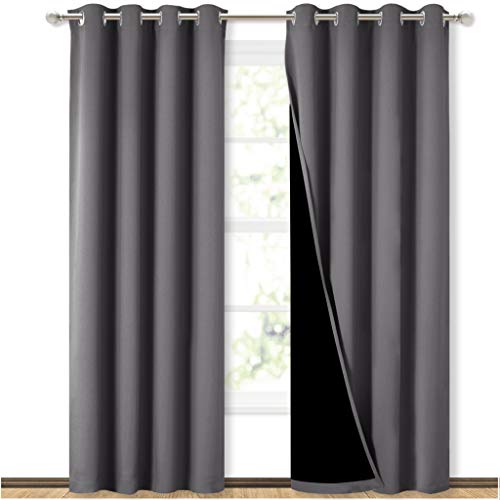
NICETOWN Grey Full Shade Curtain Panels, Pair of Energy Smart & Noise Blocking Out Blackout Drapes for Dining Room Window, Thermal Insulated Guest Room Lined Window Dressing(Gray, 52 x 84 inch)
Complete blackout curtains block light and reduce noise for better sleep – 2 layer construction with blackout lining
As an affiliate, we earn on qualifying purchases.
As an affiliate, we earn on qualifying purchases.
Use White Noise or Nature Sounds to Mask Noise Distractions
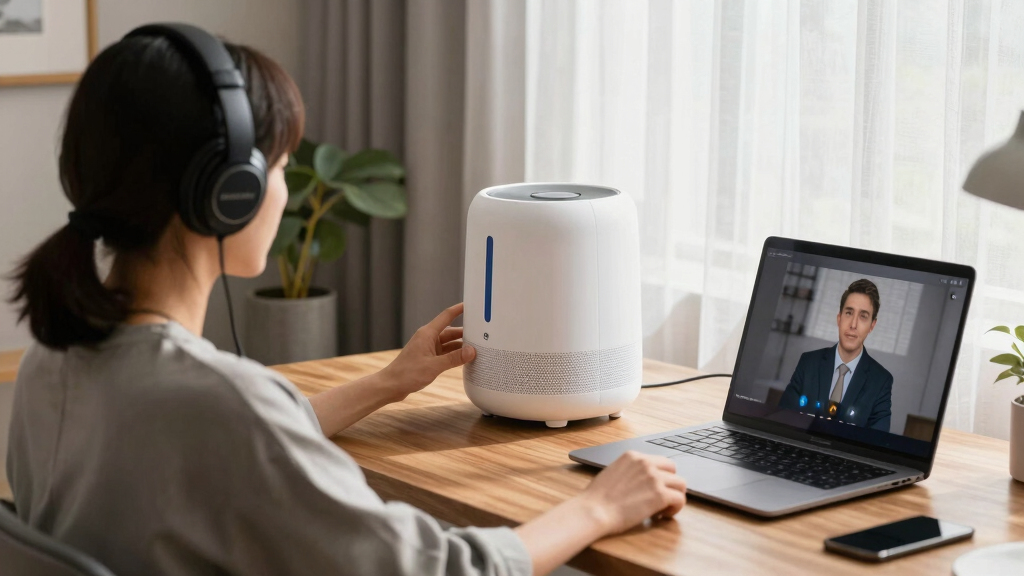
White noise and nature sounds serve as an acoustic buffer, covering up disruptive noises and creating a consistent auditory environment. This consistency is key because unpredictable sounds—like a dog barking or a car honking—can break your concentration more than steady background noise.
Think of white noise or gentle rain as a ‘sound blanket’ that diminishes the impact of sporadic interruptions. They work by overlapping with disruptive sounds, making them less noticeable and easier to ignore. The effectiveness depends on volume and placement; too loud can be distracting, while too soft may be ineffective. Recent advances in technology, such as apps and smart speakers, make it easy to generate these sounds at a comfortable level, tailored to your environment.
Research indicates that white noise can mask distracting sounds 85% of the time when used correctly, but individual preferences vary. Experimenting with different sounds and volumes helps find what works best for your environment. Using a dedicated white noise machine or a simple fan can be a cost-effective way to create a stable sound environment that enhances focus and reduces mental fatigue caused by unpredictable noise.

MAXTID Large Door Draft Stopper for Bottom of Doors 36” Under Door Sweep Noise Blocker Black Gap Stoppers Adjustable Doors Seal Sweep Guard Draft, Window Breeze Stoppers, Home Essentials Gadgets
Large door draft stopper foam is 2 inches in diameter, which is larger than most sellers' foam and…
As an affiliate, we earn on qualifying purchases.
As an affiliate, we earn on qualifying purchases.
Noise-Canceling Headphones and Earplugs — Your Instant Escape
Noise-canceling headphones are a powerful tool because they actively reduce ambient sound through electronic means, creating a personal bubble of quiet. Earplugs, while passive, are simple and portable options that can drastically cut down on noise, especially in sudden or unpredictable situations.
Imagine slipping on a pair of headphones that block out lawnmowers, barking dogs, or street noise in an instant—this immediate isolation helps you enter a focused state, especially during critical tasks or deep concentration sessions. High-quality noise-canceling headphones can cut noise levels by up to 90%, but they come with higher costs and require charging. Earplugs, though less sophisticated, can reduce noise by 30-40% and are handy for quick, on-the-go use.
Choosing between the two depends on your needs: headphones are better for long sessions and comfort, while earplugs are quick and affordable. Remember, comfort and fit matter—ill-fitting devices can cause discomfort or reduce effectiveness. Incorporating these tools into your routine ensures that you can create a personal noise-free zone whenever needed, boosting productivity and reducing frustration during noisy periods.
Smart Scheduling and Household Communication
Adjusting your work schedule to align with household noise patterns can significantly improve your focus. For example, early mornings or late evenings often have less activity, making them ideal for demanding tasks. Recognizing these windows allows you to plan your most concentration-intensive work during quieter times, reducing frustration and increasing efficiency.
Effective communication with family members or housemates is equally important. Setting clear boundaries and sharing your schedule helps others understand when you need quiet. For instance, a quick family meeting to discuss quiet hours or a shared calendar marking critical work periods can prevent misunderstandings and interruptions.
Implementing these strategies involves both planning and negotiation, which can sometimes be challenging but ultimately leads to a more harmonious environment. When household members understand the importance of your focused work sessions, they’re more likely to respect your boundaries, and you can better manage your energy levels by working during optimal times. This proactive approach minimizes noise-related stress and maximizes your productivity.
Soft Furnishings and Decor That Absorb Sound Naturally
Soft furnishings are more than just decor—they play a vital role in controlling acoustics by absorbing sound waves and reducing echoes. Materials like plush rugs, heavy curtains, and overstuffed furniture trap sound waves, preventing them from bouncing around the room and amplifying outside noise.
For example, a large, plush area rug not only mutes footfalls but also dampens sound reflection from hard floors. Thick curtains over windows can block outdoor noise and reduce the echo within your space, creating a calmer environment. Overstuffed chairs and cushions further absorb sound, making your workspace acoustically friendlier.
Choosing the right textures and placements can significantly improve your room’s acoustics, especially in small or echo-prone spaces. Even small updates—like hanging fabric wall art or adding cushions—can make a noticeable difference over time. These elements help create a more inviting and quieter environment, which can boost your focus and overall comfort during work or study sessions.
Frequently Asked Questions
What are the most cost-effective ways to reduce noise in my home office?
Simple methods like sealing gaps with weatherstripping, adding rugs, and hanging soft curtains are inexpensive but effective. Using earplugs or a fan to generate white noise is also budget-friendly and quick to implement.
How can I soundproof my home office without major renovations?
Focus on adding soft furnishings, such as rugs and cushions, and using DIY acoustic panels made from foam or thick blankets. Rearrange furniture to block sound paths and close doors when possible.
What are the best noise-canceling headphones for work?
Look for models with active noise cancellation technology that can reduce ambient noise by up to 90%. Comfort is key—try different styles to find what stays snug without pressure during long work sessions.
How do I balance household noise with work deadlines?
Adjust your schedule to tackle demanding tasks during quieter times, like early mornings. Communicate with family about your work hours and set boundaries to minimize interruptions.
Are there specific products or DIY solutions recommended for soundproofing?
Yes. Weatherstripping kits, acoustic foam panels, and heavy curtains are popular DIY options. For quick fixes, door draft stoppers and bookcases filled with books can help block sound paths effectively.
Conclusion
Turning your noisy home office into a peaceful sanctuary doesn’t require a complete overhaul. Small tweaks—like sealing gaps, using sound-absorbing decor, and scheduling smartly—can make a massive difference.
Imagine ending your workday feeling calm, focused, and in control of your environment. Quieting your space is within reach—start today, and watch your productivity soar.