
TL;DR

Get business pricing on your home office setup
- Business-only prices and quantity discounts
- Tax-exempt purchasing
- Multiple users, one account, clear invoices
Paper planners offer tactile, distraction-free planning that boosts memory, while digital tools provide flexibility, automation, and quick access. The best choice depends on your lifestyle and focus needs—many find a hybrid approach works best.
Imagine sitting at your desk, a crisp, paper planner open in front of you—its textured pages inviting your pen. Or perhaps you’re glancing at your phone, swiping through a sleek digital app filled with reminders and colors. The choice between paper and digital planning shapes how you focus each day, yet many struggle to pick what truly works.
In this guide, you’ll see how each method stacks up—what they do well, where they fall short, and how you might blend both for your perfect system. Ready to find out which tool aligns with your workflow and sharpens your focus? Let’s dive in.
A tactile, handwritten process in paper planners enhances memory and focus by engaging more senses.
Digital tools excel at flexibility, automation, and quick access, making them ideal for dynamic schedules.
Many find a hybrid system—using both paper and digital—best for maintaining focus without sacrificing convenience.
Reducing digital distractions with focus modes and timers boosts productivity when using digital tools.
Your choice depends on your work style, environment, and whether you value simplicity or customization.
What Makes a Paper Planner Better for Focus?
Paper planners excel at creating a distraction-free zone. When you write with a pen, your brain processes information differently—more deeply—helping you remember tasks and goals better. Think about the tactile feel of a thick, textured page, the smell of fresh paper, and the satisfying glide of your pen.
For example, a remote worker might spend 15 minutes each morning with a paper planner, jotting down priorities. That intentional act helps set a calm, focused tone for the day, free from digital alerts or notifications.
Research shows that writing by hand can boost memory and concentration by 20%. This isn’t just about convenience; it’s about creating a mental environment that minimizes interruptions and promotes mindfulness. The tactile engagement of writing helps anchor your thoughts, making it easier to stay present and committed to your goals. However, this method may lack the flexibility needed for dynamic schedules, requiring manual updates that can be time-consuming. The tradeoff is between a focused, interruption-free experience and the convenience of quick edits, which digital tools can provide.
As an affiliate, we earn on qualifying purchases.
How Digital Tools Supercharge Your Daily Planning
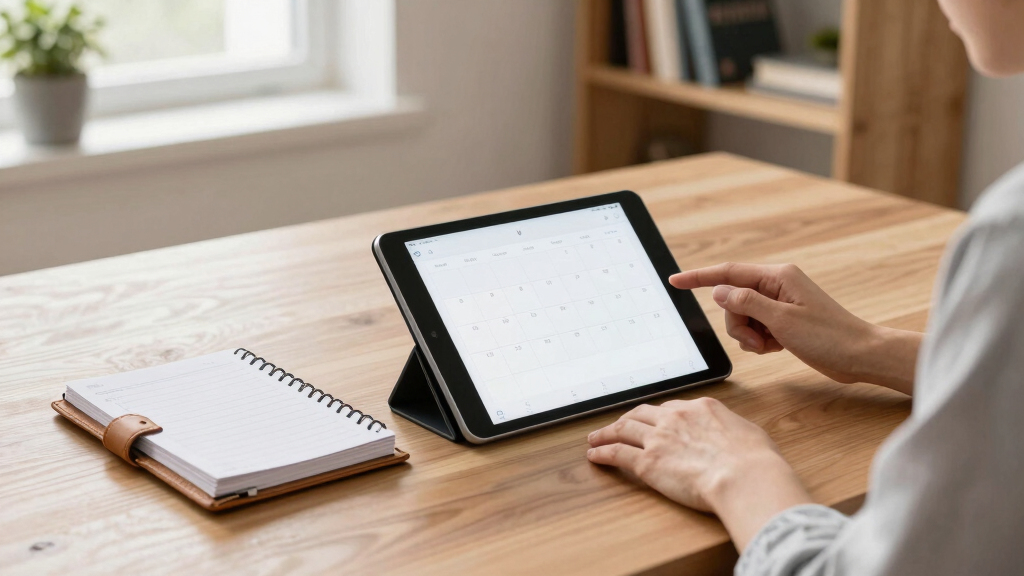
Digital tools for focus offer instant access, easy edits, and seamless integration. With a tap, you can reschedule, set reminders, or add tasks across devices—your phone, tablet, or laptop. This connectivity means your planning adapts quickly to unforeseen changes, helping you stay flexible in a busy world.
For example, a student might use a digital app like Todoist to prioritize tasks and set timers for focused work sessions. Notifications remind you of deadlines without needing to flip pages or carry a bulky planner.
Automation and alerts in digital tools don’t just keep you on schedule—they also reduce mental clutter by offloading organizational tasks. When you automate routine reminders or recurring tasks, your cognitive load decreases, freeing mental resources for creative or strategic work. However, this flexibility can also introduce distractions if notifications are not managed properly. The tradeoff involves balancing the convenience of instant updates with the risk of digital interruptions, which can fragment your focus. When used intentionally, digital tools can serve as a dynamic extension of your mental workspace, boosting productivity through customization and automation.
As an affiliate, we earn on qualifying purchases.
Paper vs Digital: Which Is Better for Your Focus Style?
| Feature | Paper Planner | Digital Tools |
|---|---|---|
| Distraction level | Low—no notifications or pop-ups | High—possible distractions from alerts and multitasking |
| Flexibility | Limited—fixed layouts, manual adjustments | High—custom templates, automation, integrations |
| Portability | Requires physical presence, no batteries | Accessible anywhere, on multiple devices |
| Focus enhancement | High—encourages mindfulness, tactile engagement | Variable—depends on use of focus modes and timers |
Choosing depends on your work style. If you thrive on simplicity and minimal distractions, a paper planner might serve you best. But if you need flexibility and quick edits, digital tools could be your secret weapon. It’s important to consider not just the features but how these features align with your mental habits and environment. For instance, if you often find yourself distracted by notifications, a paper planner might help you cultivate focus by removing that digital noise. Conversely, if your schedule changes rapidly, the ability to quickly adapt and reorganize digitally can prevent frustration and keep you on track. Recognizing these tradeoffs helps you pick a system that complements your natural workflow, making your focus more sustainable over time.
As an affiliate, we earn on qualifying purchases.
How to Use Both for Maximum Focus
Many productivity enthusiasts swear by hybrid planning. Use a paper planner for your daily priorities—something tangible and calming. Then, turn to digital tools for quick updates, reminders, and tracking. Combining the tactile act of writing with digital convenience covers all bases.
Here’s a simple step-by-step:
- Kick off your day with 5 minutes of brain-dumping in your paper planner. Write down your top 3 priorities.
- Use a digital app to schedule tasks, set timers, or add details as the day unfolds.
- At day’s end, review your digital progress and transfer any key points back to your paper planner for tomorrow.
This approach keeps you grounded while leveraging technology’s power to stay on track. It allows you to enjoy the benefits of both worlds—tactile focus and digital flexibility—without feeling overwhelmed by either. The key is intentionality: knowing when to write by hand and when to leverage digital tools for updates or reminders helps create a seamless, effective system that enhances your focus rather than detracts from it.
As an affiliate, we earn on qualifying purchases.
What to Consider Before Choosing Your Focus Tool
Think about your habits and environment. Do you get easily distracted? If yes, a paper planner might help you stay grounded by eliminating digital noise and constant notifications. On the other hand, if you rely heavily on digital alerts to manage your tasks, then a digital tool with focus modes can help you filter out distractions and stay on track.
Ask yourself:
- Do I prefer writing by hand or tapping on a screen? This preference influences not just comfort but also how deeply you engage with planning.
- Am I prone to digital distractions? If so, a paper planner can serve as a sanctuary for focused work.
- Is portability or customization more important? Consider whether you need a portable paper journal or a highly customizable digital system.
- Do I want to reduce paper waste or prioritize eco-friendly options? Your environmental values might sway your choice or encourage hybrid solutions that balance both considerations.
Ultimately, aligning your choice with your personal habits and environment ensures your planning method supports your natural focus tendencies, making it easier to stay committed and effective.
Frequently Asked Questions
Is it better to use a paper planner or digital tools for focus?
It depends on your habits. Paper planners reduce distractions and improve memory, while digital tools offer flexibility and automation. Many find combining both works best.How can I avoid digital distractions when using apps?
Use focus modes, turn off notifications, and set specific times for checking your digital tools. This minimizes interruptions and helps maintain concentration.Can I switch between paper and digital easily?
Absolutely. Many plan with a paper journal in the morning and update digital tools throughout the day. It’s a flexible way to stay organized without feeling tethered to one method.Are paper planners more eco-friendly than digital tools?
Paper use does impact the environment unless recycled, while digital tools depend on electronic devices. Choosing eco-friendly paper options or reducing screen time can balance sustainability.What’s the best way to start combining both methods?
Begin your day with a handwritten list of priorities, then use digital tools for scheduling, reminders, and tracking. Review and transfer key points at night to close the loop.Conclusion
Choosing between paper and digital planning isn’t about right or wrong—it’s about what keeps you most focused. A simple, tactile paper planner can anchor your day, while digital tools can adapt to your evolving needs. The secret lies in blending both.
Try starting your mornings with a handwritten list, then let your digital app handle reminders and adjustments. Your perfect focus system isn’t one-size-fits-all; it’s the one that makes you feel calm, clear, and in control.
Halloween Picks
halloween
As an affiliate, we earn on qualifying purchases.