
TL;DR

Get business pricing on your home office setup
- Business-only prices and quantity discounts
- Tax-exempt purchasing
- Multiple users, one account, clear invoices
Using the correct chair mats and casters protects your floors from scratches, dents, and wear. Matching caster types to floor surfaces ensures smooth movement and longevity. Proper maintenance extends their lifespan and keeps your workspace safe.
Ever notice the tiny scratches or dents on your hardwood floors after a few months of rolling around in your chair? That’s common. But it doesn’t have to be your reality. The secret lies in choosing the right chair mats and casters.
These small upgrades can save your floors from damage and make your daily movement effortless. In this guide, you’ll learn how to pick the perfect mats and wheels, and keep them in top shape. Whether you work on carpet or hardwood, the right setup transforms your workspace into a safer, smoother place to move.
Choose a chair mat that matches your flooring type—thin for hardwood, thick for carpets.
Select soft casters for hard floors; hard casters excel on carpets.
Regularly clean and inspect mats and casters to maintain smooth movement and protect surfaces.
Eco-friendly mats are now common, made from recycled materials with improved durability.
Replacing casters can dramatically improve mobility and reduce floor damage without buying a new chair.
Chair Mats and Casters: Protecting Floors While Rolling Freely
Using the correct chair mats and casters protects floors from scratches, dents, and wear while keeping daily movement smooth. Match the wheel material to the surface, choose the right mat thickness, and maintain both so your workspace stays safer, quieter, and easier to move through.
Soft polyurethane or rubber casters can reduce floor damage by up to 80% compared with hard plastic wheels on hard surfaces, according to Timerik.
The best setup is paired, not random: soft casters for hard floors, hard casters for carpets, and a mat thickness matched to the surface below.
Start with the floor, then choose the rolling surface.
Chair mats act like armor for floors, while casters decide how much pressure, friction, and noise your chair transfers into the surface. The right pairing protects appearance and improves comfort.
Use soft casters and clear mats
Polyurethane or rubber wheels cushion hard surfaces. A clear polycarbonate mat with anti-slip backing adds a durable barrier without hiding the floor.
Use firmer wheels and textured mats
Hard nylon casters move more easily over carpet fibers. A textured mat resists sliding and spreads chair pressure across the pile.
Go thicker for stability
Thicker mats prevent chair wheels from sinking and reduce strain. Look for beveled edges so rolling on and off the mat stays smooth.
Small wheel changes create big floor protection gains.
The most damaging setup is hard plastic on hard surfaces. Replacing casters can improve mobility and reduce wear without replacing the whole chair.
Match materials before you roll.
Using the wrong caster or mat can create scratches, drag, dents, or safety issues. The fastest check is surface type first, then wheel hardness, then mat construction.
| Floor surface | Best caster | Best mat | Mobility | Risk if mismatched |
|---|---|---|---|---|
| Hardwood | ✓ Soft rubber or polyurethane | Thin clear polycarbonate with anti-slip backing | ✓ Smooth and quiet | ✗ Hard plastic can scratch finish |
| Tile or vinyl | ✓ Soft non-marking wheels | Durable beveled mat or no mat with safe casters | ✓ Low resistance | ~ Dirt can grind into seams |
| Low-pile carpet | ✓ Rigid nylon | Medium textured mat with gripper backing | ✓ Reliable rolling | ~ Soft wheels may drag |
| Plush carpet | ✓ Hard casters with wider wheel profile | Thick carpet mat with beveled edge | ~ Depends on pile depth | ✗ Thin mats can crack or buckle |
How to replace casters and keep floors safe.
Most office chair casters are easy to swap. The key is measuring the stem and wheel size before buying replacements.
Identify
Check whether your casters pull out or unscrew, then note the current wheel material.
Measure
Match stem diameter, stem length, and wheel diameter to your chair base.
Remove
Pull straight out or loosen with a wrench. Use gentle pressure to protect the chair base.
Install
Push or screw the new casters into place until they sit securely without wobble.
Test
Roll, pivot, and inspect the floor. Clear debris if movement feels rough or noisy.
Durability, safety, and sustainability now overlap.
Modern mats increasingly use recycled or non-toxic materials, while advanced polymers resist cracking, warping, and UV damage. The best choice balances protection with daily usability.
Mat durability spectrum
Polycarbonate and tempered glass offer strong resistance to dents and cracking. PVC can be affordable, but quality and off-gassing vary.
Caster floor risk spectrum
Soft casters are safest for hard floors. Hard casters are helpful on carpets but can scuff or gouge smooth surfaces over time.
Vacuum or sweep weekly so grit does not grind into the mat or floor finish.
Wipe mats with mild soap and water; avoid harsh cleaners that can cloud or weaken materials.
Inspect wheels for hair, debris, flat spots, or wobble before damage spreads.
Choose recycled or non-toxic mats when durability and environmental impact both matter.
The smooth workspace equation.
Floor protection is a connected system: every rolling part affects the surface below it and the effort required to move through the workday.
Common questions before you buy.
The biggest mistake is assuming every wheel works on every floor. A quick material check prevents most damage.
How do I know if my casters are suitable?
Check the material. Hard floors need soft rubber or polyurethane wheels. Carpets usually need rigid nylon or metal wheels for easier movement.
Can I swap chair casters myself?
Yes. Most office chair casters pull out or unscrew. Measure the stem diameter and wheel size before ordering compatible replacements.
Are eco-friendly mats durable enough?
Yes. Many recycled plastic mats resist cracking, warping, and UV damage, especially when cleaned regularly and matched to the floor type.
What causes scratches even with a mat?
Debris buildup is the usual culprit. Grit trapped under wheels or mats can act like sandpaper, so weekly cleaning is essential.
Why Your Floor Needs Protection (And How Chair Mats Do It)
Chair mats are like armor for your floors. They create a barrier that prevents scratches, dents, and wear caused by rolling chairs. Imagine a shiny hardwood dining table with a protective glass top. That’s what a chair mat does for your floor.
For example, if you have a polished oak floor and a chair with hard plastic wheels, you’ll notice tiny circles forming over weeks. A sturdy polycarbonate mat stops that damage and keeps your floor looking pristine.
Choosing the right mat depends on your floor type. Thinner, transparent mats work well on hardwood, while thicker, textured mats protect plush carpets. Think of it as matching your shoes to the terrain — soft rubber soles for concrete, slick leather for smooth marble.
Beyond just appearance, the right mat can influence your comfort and safety. For instance, textured mats on carpets prevent slipping, especially if your workspace gets wet or if you tend to shift frequently. The tradeoff is that thicker mats might be less flexible or more cumbersome to move, so balancing protection with usability is key. Additionally, a poorly chosen mat might trap debris or cause uneven surfaces, which can lead to further damage or discomfort over time. Thus, understanding your specific flooring and work habits helps in selecting a mat that offers optimal protection without compromising ease of movement.
As an affiliate, we earn on qualifying purchases.
Picking the Perfect Casters for Your Floor Type
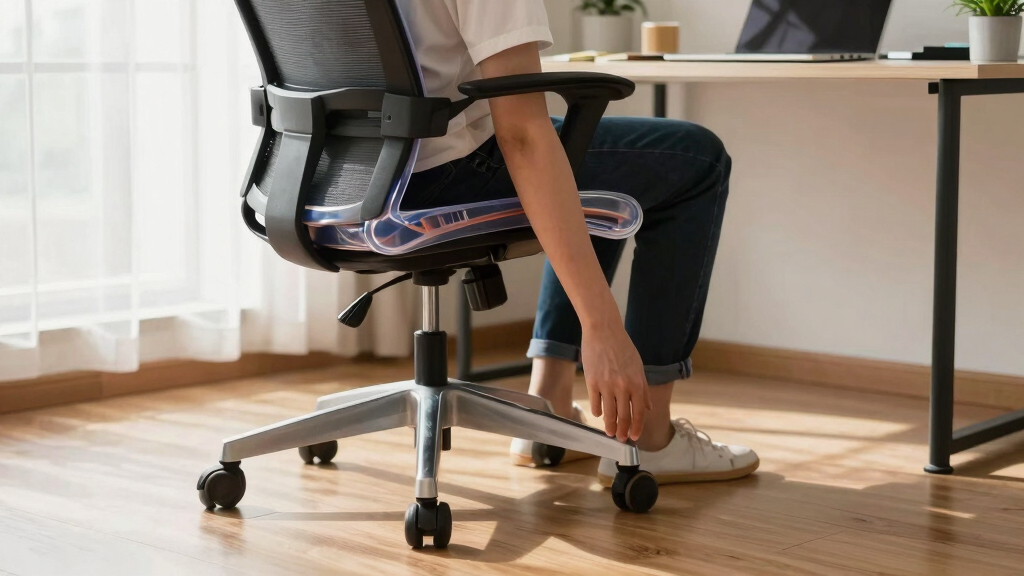
Casters are the wheels that turn your chair into a smooth-moving tool. Not all wheels are created equal. Soft casters, made from rubber or polyurethane, are gentle on hard floors because they absorb impacts and reduce the risk of scratching or gouging. Hard casters, like nylon or metal, are more rigid and can grip carpet fibers better, providing smoother movement on plush surfaces.
Suppose you have a tile kitchen floor. Hard plastic casters will scratch and mar the surface over time, especially if you slide your chair frequently or drag it around. Instead, opting for soft, rubber wheels helps cushion impacts, absorb noise, and prevent damage. Conversely, if your office has a thick, plush carpet, rigid nylon casters will roll effortlessly without sinking, ensuring you don’t strain yourself or damage the pile.
Understanding these differences is crucial because choosing the wrong caster type can lead to accelerated wear, damage, or even safety issues. For example, using hard casters on hard floors might cause scratches, which can become trip hazards or reduce the aesthetic value of your space. On the other hand, soft casters on carpets might struggle with mobility, leading to frustration or the need to replace them sooner. Therefore, assessing your floor type and considering how your workspace is used daily can guide you in selecting casters that strike a balance between protection, mobility, and durability.
In essence, the right caster choice impacts not only the longevity of your floors but also your comfort and efficiency. Investing in appropriate casters tailored to your environment ensures your workspace remains functional and safe over the long term.
soft polyurethane casters for office chairs
As an affiliate, we earn on qualifying purchases.
As an affiliate, we earn on qualifying purchases.
How to Replace Casters and Keep Floors Safe
- Identify your chair’s caster type: Check if they’re removable—most are easy to swap. Understanding your current casters’ material and size helps in selecting compatible replacements, ensuring a proper fit and optimal performance.
- Buy compatible replacements: Match the stem size and wheel diameter to your chair’s specifications. Using mismatched parts can lead to instability or damage, so measure carefully or consult manufacturer guidelines.
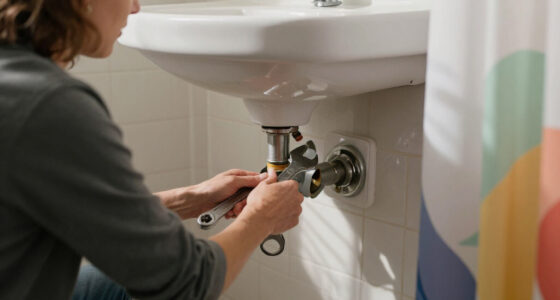
- Remove old casters: Usually, you can pull them out or unscrew with a wrench. Be gentle to avoid damaging the chair base, and consider using lubricant if they’re stuck.
- Install new casters: Push or screw them into place, ensuring they’re secure. Proper installation prevents wobbling or detachment during use, which could cause accidents or damage.
- Test and adjust: Roll around to check movement and floor safety. Observe for any wobbling or resistance, and make adjustments if needed. Regularly inspecting your casters can extend their lifespan and protect your floors from unexpected damage.
For example, a friend replaced her hard plastic casters with soft polyurethane ones on her hardwood floor. The difference was immediate—smoother movement and no scratches after months of use. This proactive step not only improved mobility but also preserved the beauty of her flooring, illustrating how simple upgrades can have lasting benefits.
AmazonAs an affiliate, we earn on qualifying purchases.
Frequently Asked Questions
How do I know if my chair’s casters are suitable for my floor?
Check the material and size of your current casters. If your floors are hard like wood or tile, soft rubber or polyurethane wheels are best. For carpets, rigid nylon or metal wheels work better. Matching caster type to your floor prevents damage and ensures easy movement.Can I swap out my existing casters myself?
Yes, most office chairs have removable casters. Typically, you just pull them out or unscrew with a wrench. Make sure to buy compatible replacements—measure the stem diameter and wheel size first. It’s a simple upgrade that can improve your workspace instantly.Are eco-friendly chair mats really durable enough for daily use?
Absolutely. Many eco-friendly mats are made from recycled plastics that resist cracking, warping, and UV damage. When properly maintained, they last for years—just like traditional mats—while reducing environmental impact.How often should I clean my chair mats and casters?
Aim for weekly cleaning. Sweep or vacuum to remove debris, then wipe mats with a damp cloth and mild soap. Check casters for lodged debris and clear with tweezers or compressed air. Regular upkeep prevents scratches and keeps your wheels rolling smoothly.What’s the biggest mistake people make with chair mats and casters?
Using the wrong type for their flooring—like plastic wheels on hardwood—causes damage over time. Also, neglecting regular cleaning leads to debris buildup, which can scratch floors and hinder mobility. Matching the right materials and maintaining them is key.Amazonoffice chair mat for carpeted floors
As an affiliate, we earn on qualifying purchases.
As an affiliate, we earn on qualifying purchases.
Conclusion
Protecting your floors doesn’t mean sacrificing mobility. The right chair mats and casters create a smoother, safer workspace that lasts. Think of them as the secret ingredients for a cleaner, quieter, more durable home office.
Next time you roll around, remember: small upgrades make a big difference. Your floors will thank you, and your workspace will feel more effortless every day.
FALL Fall Picks
fall essentialsfall essentials
As an affiliate, we earn on qualifying purchases.