TL;DR

Get business pricing on your home office setup
- Business-only prices and quantity discounts
- Tax-exempt purchasing
- Multiple users, one account, clear invoices
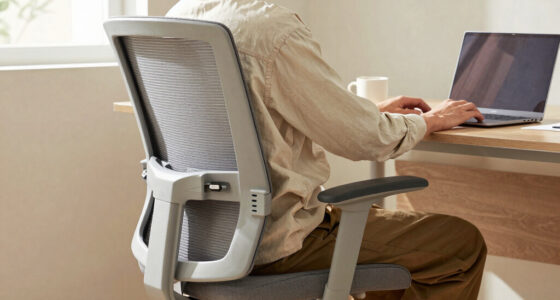
Cleaning a mesh office chair is straightforward. Regular dusting, spot cleaning, and occasional deep cleaning prevent dirt buildup and damage. Proper maintenance boosts durability and hygiene.
Imagine sitting in your mesh office chair, feeling the breathable fabric beneath you. Over time, dust, crumbs, and microbes settle into its tiny pores, quietly degrading its appearance and hygiene. Keeping it clean isn’t just about looks; it’s about comfort, health, and longevity.
In this guide, you’ll learn practical, step-by-step tips to keep your mesh chair fresh and functioning. Whether it’s weekly dusting or a deep clean every few months, these simple routines can make a big difference in how your chair looks and feels — without turning cleaning into a chore.
Vacuum your mesh chair weekly with a soft brush attachment to prevent dirt buildup.
Spot clean stains immediately with mild soap and water — avoid harsh chemicals.
Deep clean every 3-6 months, removing and washing removable parts if possible.
Clean and lubricate the casters and moving mechanisms regularly for smooth operation.
Stay updated on eco-friendly and antimicrobial mesh fabrics to reduce maintenance efforts.
How to Clean & Maintain a Mesh Office Chair
Dust, crumbs and microbes settle inside mesh’s tiny pores. A light weekly routine—and a deeper reset every few months—protects breathability, hygiene and the chair’s structural life.
A quick soft-brush vacuum prevents debris from embedding in the weave.
Clean more often when the chair sees heavy use, pets, food or sweat.
Stain-resistant mesh can require less maintenance than traditional upholstery.
Small habits beat heavy scrubbing.
Mesh is breathable and relatively stain resistant, but trapped grit acts like an abrasive. Remove it early and the chair stays cleaner, quieter and more supportive.
Lift dust before it settles
Use a vacuum’s soft brush attachment across the seat, back, edges and underside. Follow with a damp-cloth wipe of the frame.
Blot stains immediately
Mix a few drops of mild dish soap with warm water. Dab gently, remove residue with a clean damp cloth and air dry.
Reset the whole chair
Clean mesh, frame, armrests, casters and mechanisms. Remove detachable parts only when the manufacturer permits it.
The stain-safe spot-clean method
Gentle pressure matters. Aggressive rubbing can stretch, fray or weaken the mesh—even when the cleaning solution is mild.
Prepare the solution
Add only a few drops of mild dish soap to warm—not hot—water.
Patch test first
Test an inconspicuous area and check for color or texture changes.
Blot, never grind
Dampen a soft cloth and dab from the stain’s outer edge inward.
Remove residue
Use a separate clean, damp cloth to lift remaining soap.
Dry completely
Let the mesh air dry before sitting, reassembling or covering it.
They may discolor the surface, make fibers brittle or weaken the weave. Steam cleaning is only appropriate when the chair manufacturer explicitly approves it.
Frequency follows exposure.
High-use chairs need shorter intervals. Pet hair, food, sweat and dusty rooms all increase the amount of embedded material the mesh must hold.
What touches the mesh?
| Method | Mesh-safe? | Best use |
|---|---|---|
| Soft brush vacuum | ✓ Yes | Routine dust and crumbs |
| Mild soap + water | ✓ Yes | Spills and general grime |
| Baking soda paste | ~ Patch test | Stubborn localized dirt |
| Steam cleaner | ~ Check manual | Only if explicitly approved |
| Bleach / abrasives | ✗ Avoid | Can weaken or discolor fibers |
Keep the chair rolling smoothly.
A clean backrest cannot compensate for clogged wheels or a neglected tilt mechanism. Treat the chair as one connected ergonomic system.
Wipe contact zones
Clean the frame, arms and adjustment levers weekly with a damp cloth. Dry metal components to prevent moisture from lingering.
Remove hair and grit
Use a small brush or old toothbrush with soapy water. Roll each caster over a paper towel to dislodge loosened debris.
Lubricate sparingly
Apply manufacturer-approved silicone spray or light lubricant to moving joints. Keep overspray away from the mesh and floor.
Inspect and tighten
Check screws and bolts periodically. Address looseness, squeaks, fraying or tears before they become structural problems.
Before you reach for the cleaner.
Manufacturer instructions always take priority. Mesh composition, coatings and removable components vary between chair models.
How often should a mesh chair be cleaned?
Vacuum weekly, inspect and spot clean monthly, then deep clean every three to six months.
What if mild soap is not enough?
Try a soft brush or a small amount of baking soda paste after a patch test. Use minimal pressure and moisture.
Is steam cleaning safe?
Only when specified by the manufacturer. Excessive heat or moisture can weaken some fibers and encourage mold.
Can a torn mesh panel be repaired?
Small tears may accept a compatible patch, but extensive damage usually requires a replacement panel or professional repair.
Do antimicrobial coatings eliminate cleaning?
No. They may inhibit microbial growth, but dust, skin oils and debris still require routine removal.
What should an eco-friendly cleaner offer?
Choose a biodegradable, non-toxic, water-based product compatible with upholstery and the chair’s specific finish.
Clean gently. Dry fully. Maintain the whole chair.
Vacuum weekly with a soft brush, blot spills promptly with mild soap and water, and deep clean every three to six months. Clear the casters, tighten fasteners and lubricate moving parts periodically. The reward is a fresher workspace, smoother adjustments and mesh that stays supportive for longer.
Why Regular Dusting and Vacuuming Keep Your Mesh Fresh
Dust and crumbs are tiny enemies for your mesh fabric. They embed into the fibers, causing wear and tear over time. Regular vacuuming with a soft brush attachment gently lifts dirt before it can settle deep.
Imagine this: a quick 2-minute vacuum every week can prevent the buildup of debris that might weaken the mesh or cause unpleasant odors. Plus, it keeps allergens at bay in your home office.
Use a vacuum with a soft brush attachment — it’s gentle but effective. Run it over the entire surface, including the sides and underside, to clear away dust and pet hair.
Why does this matter? Accumulated dust can degrade the mesh’s structural integrity over time, leading to tears or fraying. It also traps bacteria and allergens, which can impact your health, especially if you suffer from allergies or asthma. Regular vacuuming not only prolongs the lifespan of your chair but also creates a healthier environment for you to work in.
As an affiliate, we earn on qualifying purchases.
How to Spot Clean Stains Without Damaging the Mesh
- Mix a few drops of mild dish soap into warm water — no harsh chemicals needed.
- Dampen a soft cloth or sponge with the solution.
- Gently dab the stained area, avoiding aggressive scrubbing that can fray the fabric.
- Use a clean, damp cloth to wipe away soap residue.
- Let the area air dry completely before sitting again.
For example, if you spill coffee or ink, act quickly. Blot the stain with a damp cloth, then give it time to dry. This prevents permanent marks and keeps your chair looking sharp. Immediate action minimizes the chances of the stain setting in, which could otherwise require more aggressive cleaning methods or even replacement of fabric parts.
Remember: never use bleach or abrasive cleaners. They can weaken or discolor the mesh fabric, and in some cases, cause the fibers to become brittle or break down prematurely. Choosing gentle cleaning solutions preserves the mesh’s flexibility and breathability, which are critical for long-term comfort and durability.
As an affiliate, we earn on qualifying purchases.
Deep Cleaning Your Mesh Chair Without Ruining It
Every 3-6 months, give your chair a thorough clean — especially if it’s in a high-use area. Remove any removable parts, like armrests or cushions, if possible.
Prepare a mixture of water and mild detergent. Dip a soft cloth and wipe down the entire frame and mesh. Use a damp cloth to rinse away soap residue. Make sure everything dries completely before reassembling or sitting.
Deep cleaning not only refreshes the appearance but also removes embedded dirt and microbes that regular cleaning might miss. This is especially important if your chair is exposed to pet hair, food crumbs, or sweat, which can harbor bacteria and cause odors over time. A thorough clean helps maintain the mesh’s structural integrity and prevents premature wear caused by dirt abrasion.
For stubborn dirt, a gentle brush with a mixture of baking soda and water can lift grime without harsh chemicals. Always test on a small area first to ensure it won’t discolor or damage the fabric. Proper drying afterward is crucial because residual moisture can encourage mold growth or weaken the fabric fibers, reducing the chair’s lifespan.
mesh chair caster wheels replacement
As an affiliate, we earn on qualifying purchases.
As an affiliate, we earn on qualifying purchases.
Cleaning the Frame and Casters to Keep Your Chair Rolling Smoothly
The frame and wheels need attention too. Dust and hair can clog casters, making movement stiff and noisy. Wipe down the frame with a damp cloth weekly.
For the wheels, remove debris with a small brush or an old toothbrush dipped in soapy water. Roll the casters over a paper towel to dislodge hair and dirt. This prevents squeaks and ensures smooth gliding.
Lubricate the moving parts with a silicone spray or light oil to keep the tilt mechanism and height adjusters working seamlessly.
Neglecting these components can lead to increased resistance during movement, which not only causes annoyance but can also strain the mechanisms, leading to costly repairs or replacements. Regular maintenance ensures that your chair remains easy to adjust and move, preserving its ergonomic benefits and extending its lifespan.
antimicrobial mesh office chair fabric
As an affiliate, we earn on qualifying purchases.
As an affiliate, we earn on qualifying purchases.
The Latest in Mesh Chair Maintenance: Trends to Know
Eco-friendly cleaning products are gaining popularity. Look for biodegradable, non-toxic cleaners that won’t harm your skin or the environment. They’re gentle but effective.
Newer mesh fabrics now feature stain-resistant and antimicrobial coatings. These innovations reduce cleaning frequency and promote a healthier workspace.
Some companies now offer DIY maintenance kits with cleaners, lubricants, and replacement parts, making upkeep more accessible and less messy.
Keeping an eye on these trends can save your chair from early wear and tear, and even improve indoor air quality.
Key Facts About Cleaning and Maintaining Mesh Chairs
- Mesh chairs are easier to clean than fabric upholstery because of their breathability and stain resistance.
- Regular maintenance can extend your chair’s lifespan by at least 20%, according to ergonomic studies.
- Prompt cleaning prevents microbial buildup, reducing potential health risks.
- Most mesh fabrics tolerate water-based cleaning but avoid high heat or steam unless specified by the manufacturer.
Questions People Usually Ask About Cleaning Mesh Office Chairs
How often should I clean my mesh office chair?
Vacuum weekly and spot clean monthly. Deep clean every 3-6 months, especially in high-traffic areas.
Can I use bleach or harsh chemicals?
No. Harsh chemicals can weaken the mesh. Stick with mild soap or specialized upholstery cleaners.
How do I remove tough stains?
Use a soft brush with a mild detergent solution. For stubborn marks, baking soda paste can help. Always patch test first.
Is steam cleaning safe for mesh?
It depends. Check your manufacturer’s instructions. Excessive moisture can damage some fabrics, so proceed cautiously.
How to keep the moving parts in top shape?
Lubricate mechanisms periodically with silicone spray. Check and tighten screws regularly.
Conclusion
Keeping your mesh office chair clean isn’t a chore — it’s a simple routine that pays off. Regular dusting, prompt stain removal, and periodic deep cleaning protect your investment and create a healthier workspace.
Think of it like giving your chair a health check-up every few months. A well-maintained chair supports better posture, fewer aches, and a fresher environment. Your back and your workspace will thank you.
Halloween Picks
halloween
As an affiliate, we earn on qualifying purchases.