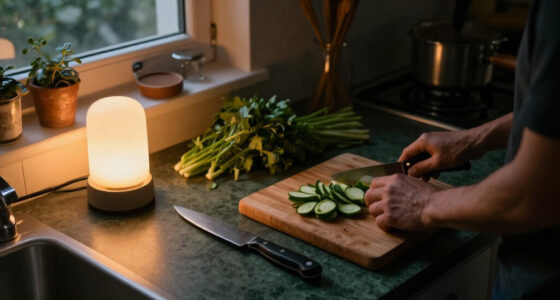
Glass and plastic meal prep containers solve the same storage problem, but suit different routines. Glass is heavier and usually costs more upfront; in return, many glass containers can go from refrigerator to microwave or oven, resist lingering food odors, and hold up through years of regular use. Plastic keeps packed meals lighter and less expensive, which matters when containers travel in a work bag or get used in large batches.

Get business pricing on your home office setup
- Business-only prices and quantity discounts
- Tax-exempt purchasing
- Multiple users, one account, clear invoices

Bentgo Prep Meal Prep Containers with Lids, 20 Piece, PFAS & BPA-Free
- ✔ Capacity: 4 cups per container
- ✔ Set contents: 10 trays and 10 custom-fit lids
- ✔ Container dimensions: 8.7 × 6 × 2.3 inches

50 Pack (100-Piece) 32 oz Meal Prep Containers with Easy Open Lids, Black
- ✔ Capacity: 32 oz / 946 ml
- ✔ Set contents: 50 containers and 50 lids
- ✔ Dimensions: 8.9 × 6.1 × 2.3 inches

Dealusy 50 Pack (100-Piece) 24 oz Meal Prep Containers Reusable with Lids
- ✔ Capacity: 24 fl oz
- ✔ Set contents: 50 containers and 50 lids
- ✔ Dimensions: 7.4 × 5 × 2 inches
The decision is less about which material is universally better and more about where your meals go after prep. Choose glass if you reheat at home, value long service life, or want a container that is less prone to staining. Choose plastic if portability, low replacement cost, or a large matching set matters more. Always check the maker’s instructions: heat limits, lids, and freezer use vary by product.
At a Glance
| Criteria | Glass meal prep containers | Plastic meal prep containers | Winner |
|---|---|---|---|
| Upfront cost | Usually higher per container, especially for thicker glass or locking-lid sets | Usually lower upfront; inexpensive sets are widely available | B |
| Weight and portability | Heavy; adds noticeable weight to a packed bag | Light and convenient for commuting or carrying several meals | B |
| Microwave and oven use | Many are microwave-safe and some are oven-safe without lids; verify product guidance | Many are microwave-safe, but heat limits vary; oven use is generally unsuitable | A |
| Durability and lifespan | Resists warping and can last for years, but may chip or shatter | Can scratch, warp, or degrade with repeated heating and washing | A |
| Stains and odors | Generally resists stains and odors | More likely to stain or retain smells, especially with tomato or strongly seasoned foods | A |
| Storage and stacking | Rigid shapes stack neatly, though the containers take up more weight and cabinet space | Often nests when empty; lids can still take up space and may not fit interchangeably | Depends |
| Breakage risk | Can chip or break if dropped or exposed to sudden temperature changes | Won’t shatter, though it can crack or warp | B |
Bentgo Prep Meal Prep Containers with Lids, 20 Piece, PFAS & BPA-Free
Bentgo is the most deliberate option for people who want meal prep to feel repeatable. Each rectangular tray holds 4 cups, and embossed measurements offer a quick visual reference while portioning rice, vegetables, or a main dish. That small cue is useful when we are preparing several lunches at once and want more consistency than a fixed-size container alone provides. The clear stackable lids also make it easier to identify contents in a crowded fridge.Compared with the two Dealusy multipacks, Bentgo gives us more portion guidance but fewer pieces: the set contains 10 trays and 10 custom-fit lids, versus 50 containers and lids in each Dealusy set. That makes Bentgo better suited to a modest weekly rotation than a large household or a high-volume packing routine. Its care instructions also require attention: trays can go on the top rack and be reheated in the microwave, but the maker recommends hand-washing lids. The Dealusy listings state dishwasher use for their containers, which may be simpler for someone who wants to wash the whole set together.We rank Bentgo first because it balances a useful everyday capacity with built-in portion references and reusable, PFAS- and BPA-free materials. Its main compromise is the lid-care routine, plus the smaller set size. Choose it when measurement and organized storage matter more than having a large reserve of containers; skip it if your priority is bulk quantity or fully dishwasher-friendly cleanup.
Pros:
- 4-cup capacity with embossed measurements supports consistent portions.
- Clear lids help identify meals in stacked fridge storage.
- PFAS- and BPA-free materials are specified.
- Trays are microwave, freezer, and top-shelf dishwasher safe.
Cons:
- Lids are best hand-washed, adding a separate cleanup step.
- Ten containers may be limiting for high-volume batch prep.
- One-compartment trays offer no built-in separation for sides.
Best for: Meal preppers who want consistent portions, clear contents, and a manageable set for a weekly rotation.
Not ideal for: Large households or anyone who wants many containers and prefers to put lids in the dishwasher.
Bottom line: Bentgo is our leading everyday pick when portion cues and organized storage matter more than a large set or all-in-one dishwasher cleanup.
“Bentgo is our leading everyday pick when portion cues and organized storage matter more than a large set or all-in-one dishwasher cleanup.”
50 Pack (100-Piece) 32 oz Meal Prep Containers with Easy Open Lids, Black
For meal prep built around full-sized lunches, the 32-ounce Dealusy set gives us the most room per container in this lineup. Its 946 ml capacity is larger than the 24-ounce Dealusy option, leaving more space for a substantial main-and-side combination or meals with bulkier ingredients. The set supplies 50 containers and 50 snap lids, so we can prepare many servings at once, keep a rotation ready, or set aside clean containers for packed meals.That scale is the key difference from Bentgo. Bentgo’s 4-cup trays are close in capacity, but include only 10 containers and provide embossed portion measurements. Dealusy instead emphasizes quantity and a simple, uniform format. Its rectangular shape and stackable lids are practical for storing repeated portions, while the listing says the containers are microwave-, freezer-, and top-rack dishwasher-safe. It also describes them as leakproof and reusable, though the supplied details do not establish performance across all foods or repeated use.The tradeoff is that a large, single-size set can be awkward if our meals vary widely or if cabinet space is tight. There are no listed portion markings, so serving consistency depends on our own measuring habits. At 8.9 by 6.1 inches, these containers are also the widest listed option here. We rank this second because its capacity and 50-piece count make it highly practical for bigger batches, while Bentgo better supports measured portions and the 24-ounce Dealusy model is easier to match to smaller meals.
Pros:
- 32-ounce capacity accommodates larger prepared meals.
- Includes 50 containers and 50 snap lids for a broad rotation.
- Stackable rectangular form supports organized storage.
- Listing states microwave, freezer, and top-rack dishwasher suitability.
Cons:
- One large size may be excessive for lighter meals or snacks.
- No embossed portion measurements are listed.
- The large pack requires substantial cupboard space when stored.
Best for: Households or meal preppers packing generous lunches and wanting a large supply of same-size containers.
Not ideal for: People with limited storage space, smaller appetites, or a need for built-in portion measurements.
Bottom line: Choose the 32-ounce Dealusy set when generous portions and a large batch-prep supply outweigh compact storage and portion-marking needs.
“Choose the 32-ounce Dealusy set when generous portions and a large batch-prep supply outweigh compact storage and portion-marking needs.”
Dealusy 50 Pack (100-Piece) 24 oz Meal Prep Containers Reusable with Lids
The 24-ounce Dealusy set is the compact-volume alternative for people who want plenty of containers but do not need a large portion in every one. Each holds 24 fluid ounces, six ounces less than the 32-ounce Dealusy model. That difference can help keep lighter lunches, salads, or pre-portioned meals from being packed into a larger-than-needed container. The square shape is also listed at 7.4 by 5 inches, making it shorter in each direction than the wider 32-ounce option.Quantity is its strongest shared advantage: as with the 32-ounce set, we get 50 containers and 50 lids, along with stated microwave, freezer, and dishwasher suitability. Compared with Bentgo, this means much more capacity for a rotating stock, but without Bentgo’s embossed measurements or clear-lid emphasis. The Dealusy listing describes tight-sealing lids and stackability; those features can make packed meals easier to organize, although we should still use care with liquid-heavy foods when transporting them.This is not the best pick for everyone. The 24-ounce volume may run short for generous meals, and the uniform size does not adapt to mixed portion needs. Bentgo is the more helpful choice when portion cues matter, while the 32-ounce Dealusy is better for filling meals. We place this model third because its compact portions and bulk quantity serve a narrower use case: meal preppers who want lots of smaller, consistent servings. If most of our lunches are substantial, stepping up to the 32-ounce version makes more sense.
Pros:
- 24-ounce capacity suits smaller meals and portioned sides.
- Fifty containers and lids support a large meal-prep rotation.
- Square footprint is smaller than the listed 32-ounce model.
- Listing states microwave, freezer, and dishwasher suitability.
Cons:
- May feel undersized for generous lunches or combined meals.
- No portion markings are listed.
- A single size does not cover varied meal and snack needs.
Best for: Meal preppers who want a large supply of smaller portions for lighter lunches, sides, or controlled servings.
Not ideal for: People packing hearty meals or wanting measurement marks and different container sizes in one set.
Bottom line: The 24-ounce Dealusy multipack makes sense for smaller prepared portions in quantity, but larger appetites are better served by its 32-ounce sibling.
“The 24-ounce Dealusy multipack makes sense for smaller prepared portions in quantity, but larger appetites are better served by its 32-ounce sibling.”
As an Amazon Associate we earn from qualifying purchases.
Key Differences
The biggest practical difference appears when you carry meals and when you reheat them. Plastic is easier to transport because it weighs less, and replacing an inexpensive container is less painful if one goes missing. Glass is more convenient for meals that move from refrigerator to microwave or, when specifically rated for it, oven. That heat tolerance can reduce the need to transfer food to another dish, though lids often need to come off or be vented.
Glass usually makes more sense as a long-term kitchen purchase: it resists staining, odors, and heat-related warping. Its disadvantages are real, though. A packed lunch can become heavy, and a dropped container can break. Plastic is a sensible choice for packed lunches, travel, or a starter set, but repeated heating can shorten its useful life. For many households, the best value depends on use: glass for meals reheated at home, plastic for meals carried around.
Detailed Comparison
Upfront cost (Plastic meal prep containers wins — moderate)
Plastic wins by a moderate margin on purchase price. It is generally cheaper to assemble a large set, so it suits new meal preppers or anyone who needs many containers at once. Glass costs more initially, but that difference can narrow if the containers last longer and stay presentable. For occasional use or a tight budget, plastic is the easier buy; for daily use over several years, glass may justify its higher cost.
Weight and portability (Plastic meal prep containers wins — major)
Plastic wins by a major margin for carrying meals. A few plastic containers add little weight to a backpack or lunch bag, while glass can make the same load cumbersome. That difference matters for commuters, students, and people who carry multiple meals. If containers mostly stay in the kitchen, the weight matters much less.
Microwave and oven use (Glass meal prep containers wins — major)
Glass wins for heat flexibility, with a major practical advantage for reheating. Many glass containers are microwave-safe, and some can go in the oven when the manufacturer allows it. Plastic is often microwave-safe only within stated limits and generally should not go in an oven. Check the container and lid instructions for either material, and avoid sudden temperature changes with glass.
Durability and lifespan (Glass meal prep containers wins — moderate)
Glass wins for resisting the wear of repeated heating and washing, a moderate advantage for everyday home use. It is less likely to warp and typically stays usable for longer, but it can chip or shatter if dropped. Plastic avoids shattering but can scratch, crack, or deform over time. The better choice depends partly on whether a hard impact or gradual wear is more likely in your routine.
Stains and odors (Glass meal prep containers wins — moderate)
Glass wins by a moderate margin for keeping containers looking and smelling clean. Tomato sauce and aromatic foods are more likely to leave marks or smells in plastic, especially after repeated use. Glass is less prone to either, so it is a better fit for strongly seasoned meals or anyone who wants containers to stay clear. Plastic still works well for foods that are less likely to stain or linger.
Storage and stacking (minor difference)
This is a close call rather than a material-wide win. Plastic containers often nest compactly when empty, which can help in crowded cupboards. Glass containers stack steadily when their shapes and lids are designed to fit together, but they are heavier and can take up more room. Compare the dimensions and lid storage of the actual set before buying, especially if cabinet space is limited.
Breakage risk (Plastic meal prep containers wins — moderate)
Plastic wins for use around drops and rough handling. It can crack or warp, but it will not shatter into pieces like glass. That is a moderate advantage for shared kitchens, busy commutes, or households where containers are frequently handled by children. Glass is still reasonable for careful home storage, but its weight makes a fall more consequential.
Glass meal prep containers: Pros and Cons
Pros:
- Handles repeated heating without the same risk of warping as plastic
- Usually resists food stains and lingering odors
- Can simplify storage and reheating in one dish when product instructions allow
Cons:
- Costs more upfront
- Heavy to carry, especially in a full lunch bag
- Can chip or shatter if dropped or exposed to sudden temperature changes
Plastic meal prep containers: Pros and Cons
Pros:
- Usually the lowest-cost way to buy a large matching set
- Lightweight and convenient for commuting or travel
- Does not shatter when dropped
Cons:
- More likely to stain, retain odors, scratch, or warp over time
- Heat limits vary, and oven use is generally unsuitable
- May need replacement sooner with frequent heating and washing
Who Should Choose What
Choose Glass meal prep containers if:
- You prep meals mainly for home and want to reheat them in the same dish.
- You regularly store tomato-based or strongly scented foods.
- You prefer a container that resists heat wear, stains, and odors and are comfortable handling glass.
Choose Plastic meal prep containers if:
- You carry meals to work, school, or on trips and want to keep your bag light.
- You need a large set at a low upfront cost.
- Containers are handled roughly, and avoiding shattered glass matters more than resisting long-term wear.
Skip both if: Skip both materials if your routine depends on frequent drops, rugged outdoor use, or minimal storage space; look at purpose-built metal or silicone options that meet your reheating needs.
Value for Money
Paying more for glass is worth it when you use containers often at home, reheat meals regularly, and expect to keep the set for years. Its resistance to stains, odors, and heat wear can make the higher initial cost worthwhile. Plastic is better value when portability and the lowest purchase price lead the decision, or when containers are likely to be lost or replaced. Before paying a premium for either, check lid quality, size, and whether the set’s temperature guidance matches your routine.
Final Verdict
Choose glass if most meals stay at home and you want containers that tolerate regular reheating and resist stains and odors. Choose plastic if you carry meals often, want a lighter bag, or need an affordable set in quantity. For most people who commute with lunch, plastic is the more practical value; for frequent home meal prep, glass is the stronger long-term choice. The deciding factor is whether your containers spend more time being carried or being heated.
Frequently Asked Questions
Are glass or plastic containers better for meal prep?
Glass suits home meal prep when frequent reheating, stain resistance, and long service life matter. Plastic suits portable meals and lower-cost large sets. The better option depends on where you use the containers most.
Can meal prep containers go straight from the fridge to the microwave?
Only if the manufacturer says they can. Check the guidance for the container and lid, and avoid sudden temperature changes with glass, which can crack under thermal shock.
Is paying more for glass meal prep containers worth it?
It can be, if you use them frequently at home and want to avoid warping, stains, and lingering odors. If you carry meals daily or need a lot of containers cheaply, plastic may offer better value.
Which material is better for taking lunch to work?
Plastic is usually more convenient because it is lighter and less likely to break if dropped. Glass can still work for a short commute if you have a secure lunch bag and do not mind the added weight.