
TL;DR

Get business pricing on your home office setup
- Business-only prices and quantity discounts
- Tax-exempt purchasing
- Multiple users, one account, clear invoices
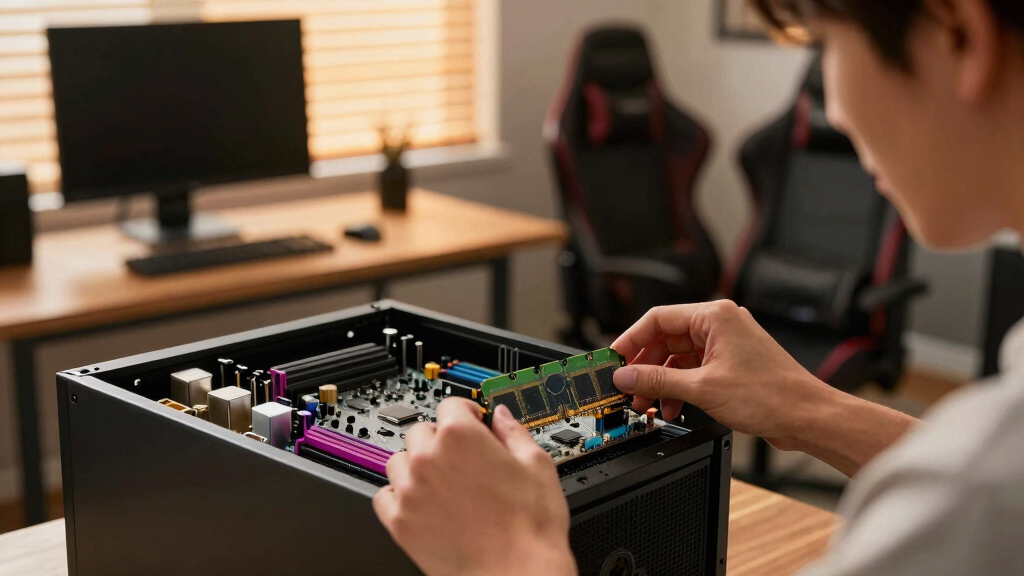
Meta has integrated recycled RAM modules into its new servers, utilizing a custom-designed bridge chip. This approach aims to cut costs and promote sustainability, though technical details remain under wraps.
Meta has started deploying servers that incorporate recycled RAM modules, facilitated by a custom-designed bridge chip, marking a shift toward sustainable hardware practices. This development is confirmed by the company and signals an innovative approach to managing hardware costs and environmental impact in large-scale data centers.
Meta announced in March 2024 that it is reusing older RAM modules in its new server deployments. The company has developed a custom bridge chip that allows these legacy RAM modules to be compatible with modern server architectures. This approach aims to extend the lifespan of existing hardware components, reduce waste, and lower procurement costs.
According to Meta, the custom bridge chip acts as an interface, enabling older RAM modules to communicate effectively with the server’s main processing units. The company claims this method maintains performance levels suitable for its large-scale data center operations.
Technical specifics about the bridge chip and the extent of RAM reuse are not publicly detailed, and it is unclear whether this approach will be adopted across all of Meta’s data centers or limited to specific projects.
Potential Cost Savings and Environmental Benefits of RAM Reuse
This development could significantly reduce hardware procurement costs for Meta and other data center operators, especially as RAM prices fluctuate. Reusing existing modules also aligns with broader sustainability goals by decreasing electronic waste and resource consumption.
If successful at scale, this approach might influence industry standards for hardware lifecycle management, encouraging other companies to explore similar reuse strategies.
As an affiliate, we earn on qualifying purchases.
Meta’s Hardware Strategies and Shift Toward Sustainability
Meta has historically invested heavily in custom hardware to optimize data center efficiency, including developing custom chips and modular server designs. The move to reuse older RAM modules with a dedicated bridge chip reflects an ongoing effort to balance performance with sustainability and cost management.
This approach builds on Meta’s broader initiatives to reduce environmental impact, as the company has committed to achieving net-zero emissions and reducing electronic waste in its operations.
Prior to this, the company primarily focused on hardware upgrades and replacements, but the reuse strategy signals a new direction in hardware lifecycle management.
“We are exploring innovative ways to extend the life of our hardware components while maintaining high performance standards.”
— Meta spokesperson
As an affiliate, we earn on qualifying purchases.
Technical Details and Scalability of RAM Reuse Strategy
It is not yet clear how widespread the implementation of this RAM reuse approach will be within Meta’s infrastructure. Details about the technical specifications of the custom bridge chip and its performance impact are not publicly available. It remains uncertain whether this method will be adopted by other industry players or is limited to specific Meta projects.
As an affiliate, we earn on qualifying purchases.
Further Testing and Broader Adoption Plans
Meta is expected to continue testing this RAM reuse approach across different data center locations. The company may also publish more technical details and performance data in the coming months. Observers will be watching to see if this strategy influences broader industry practices or remains a proprietary innovation.
As an affiliate, we earn on qualifying purchases.
Key Questions
How does the custom bridge chip work?
The custom bridge chip acts as an interface, enabling older RAM modules to communicate with modern server architectures, though specific technical details have not been disclosed.
Will this approach reduce costs for Meta?
Yes, reusing existing RAM modules is expected to lower hardware procurement costs and extend hardware lifespan, which could lead to significant savings.
Is this strategy environmentally friendly?
Reusing RAM modules reduces electronic waste and resource consumption, aligning with Meta’s sustainability goals.
Could this approach be adopted by other companies?
Potentially, if Meta’s testing proves successful, other data center operators might explore similar reuse strategies, though technical and economic factors will influence adoption.
Are there performance trade-offs with reused RAM?
Meta claims that the custom bridge chip maintains performance levels suitable for its needs, but detailed performance data has not been publicly shared.
Source: hn
Halloween Picks
halloween
As an affiliate, we earn on qualifying purchases.