
TL;DR

Get business pricing on your home office setup
- Business-only prices and quantity discounts
- Tax-exempt purchasing
- Multiple users, one account, clear invoices
Small upgrades like footrests and anti-fatigue mats are affordable ways to boost comfort, support better posture, and reduce fatigue during long work or study sessions. They help prevent musculoskeletal issues and increase focus, especially in standing or hybrid setups.
Imagine spending hours at your desk, your feet aching and your back stiffening. Now picture a simple, inexpensive addition—like a footrest or a cushioned mat—that transforms your entire day. These small upgrades don’t just add comfort; they can prevent pain, boost focus, and even improve your long-term health.
While they might seem minor, ergonomic accessories like footrests and anti-fatigue mats are game changers—especially if you work remotely or stand for hours. This guide will show you why these upgrades matter, what to look for, and how they can make your daily routine feel a whole lot better.
Small ergonomic accessories like footrests and anti-fatigue mats can cut fatigue symptoms by up to 50%.
Choose products with adjustability, safety features, and material comfort tailored to your workspace needs.
Recent innovations include eco-friendly materials, gel-infused cushioning, and smart sensors for healthier standing habits.
Proper setup and regular inspection extend the lifespan of your ergonomic accessories and maximize their benefits.
Even simple upgrades can prevent common aches and support long-term health, boosting focus and productivity.
Why a footrest or anti-fatigue mat can change your day
Ever notice how your legs fall asleep after hours of sitting? Or how standing feels exhausting without a cushion? That’s because prolonged static postures can restrict circulation, leading to numbness, swelling, and fatigue. A good footrest or anti-fatigue mat helps mitigate these issues by promoting subtle movements and proper alignment. They encourage micro-adjustments, which are crucial for maintaining healthy blood flow and reducing muscle strain. Without these accessories, your body compensates by tensing muscles or adopting poor postures, increasing the risk of chronic discomfort and even musculoskeletal disorders over time. Choosing the right accessory thus isn’t merely about comfort—it’s about actively supporting your body’s natural movement patterns and preventing long-term health problems.
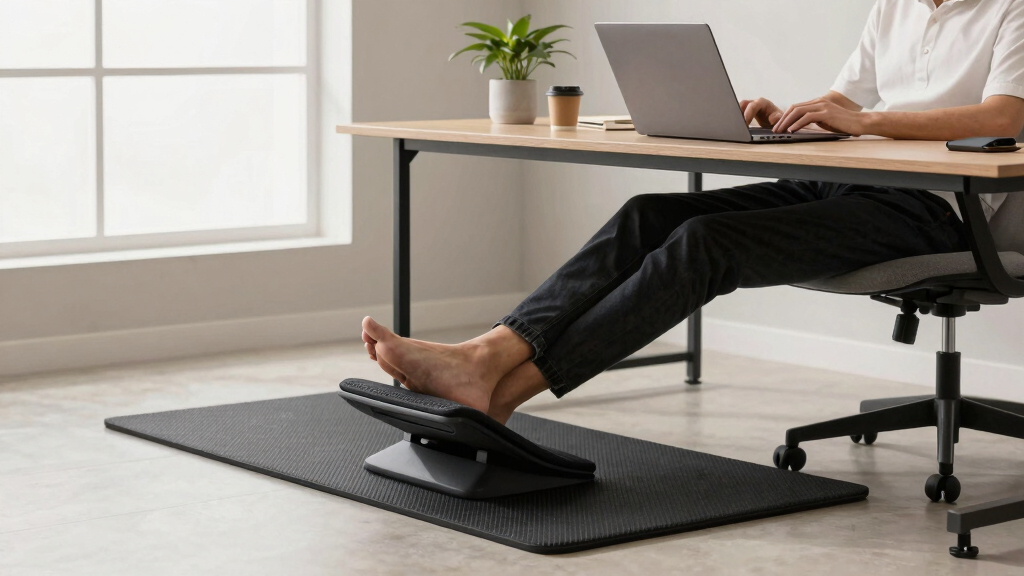
For example, a remote worker who elevates their feet with a footrest can reduce lower back stress caused by slouching. Conversely, a standing worker on an anti-fatigue mat naturally shifts weight and moves subtly, preventing stiffness and cramping. These small but consistent adjustments help sustain energy levels and mental clarity, reducing the need for breaks or pain medication. Recognizing these benefits underscores why investing in ergonomic accessories is a proactive step toward healthier work habits and better productivity.
Products Worth Considering

DEWALT DWE7491RS 10-Inch Jobsite Table Saw with Rolling Stand

EGO Power+ 15-Inch Battery-Powered String Trimmer with Powerload Technology

Greenworks 24V Brushless Drill and Impact Driver Combo Kit with Two 2.0Ah USB-C Batteries and 65W Charger
As an affiliate, we earn on qualifying purchases.
How to pick the right footrest or anti-fatigue mat for your space
- Determine your primary need: Are you primarily seeking to improve sitting posture or reduce fatigue during prolonged standing? Clarifying this helps prioritize features like adjustability or firmness.
- Check adjustability and size: An adjustable footrest with tilt options can accommodate different heights and postures, promoting better spinal alignment. For mats, ensure they fit your workspace and provide enough surface area for movement without feeling cramped.
- Test material and surface: Foam offers softness but may compress over time; gel provides extra cushioning; rubber or textured surfaces enhance grip. Consider durability based on your usage frequency and environment.
- Safety features: Anti-slip bases are critical, especially on hard floors, to prevent accidents. Look for sturdy, non-slip designs that stay in place during movement, reducing the risk of slips and falls.
- Consider your environment: For hard floors like tile or wood, a thicker, textured mat offers better cushioning and grip. For carpeted spaces, a thinner pad may suffice, and portability might be more important if you need to move your setup frequently.
For example, a standing desk user should prioritize a durable, non-slip mat with enough surface area to shift weight comfortably, reducing fatigue and discomfort. A sitting worker might opt for an adjustable footrest with a gentle tilt, which encourages better posture and spinal alignment. Recognizing these tradeoffs ensures you select an accessory that not only fits your space but also addresses your specific ergonomic needs effectively.
Compare the best features of popular footrests and anti-fatigue mats
| Feature | Footrests | Anti-Fatigue Mats |
|---|---|---|
| Adjustability | High—height and tilt | Moderate—angle and firmness |
| Material | Plastic, foam, or wood | Rubber, foam, gel, or memory foam |
| Portability | Lightweight, easy to move | Typically heavier but some foldable options |
| Safety features | Non-slip surface | Non-slip base, textured surface |
| Best for | Sitting posture support | Reducing fatigue during prolonged standing |
Both accessories focus on comfort but serve different needs. Understanding their core differences helps you make an informed choice—selecting the right tool can prevent discomfort and long-term injury. For example, if your main concern is maintaining proper sitting posture, a highly adjustable footrest offers the flexibility to align your hips and spine. Conversely, if standing fatigue is your primary issue, a thick, textured anti-fatigue mat can provide sustained cushioning and grip, reducing muscle strain. Recognizing these distinctions clarifies how each product supports your ergonomic goals, making your workspace more supportive and health-conscious.
Latest innovations making your workspace cozier
Now, anti-fatigue mats and footrests aren’t just basic foam and plastic. They’re evolving fast. Eco-friendly materials, like recycled rubber or biodegradable foams, are becoming mainstream, reducing environmental impact. These advancements mean you can support your health while also caring for the planet, making your workspace more sustainable.
Some mats feature gel-infused layers that mold to your feet or legs, offering extra cushioning that adapts to your movements. This not only enhances comfort but also distributes pressure more evenly, helping prevent localized fatigue or soreness. Others incorporate textured surfaces that improve grip, reducing slips, or modular designs that allow you to customize your setup—adding or removing sections to fit your space and needs. These innovations are not just about comfort—they reflect a deeper understanding of ergonomic science, aiming to optimize support and encourage healthy movement patterns throughout your workday.
Smart tech is also making its way into ergonomic accessories. Sensors embedded in some mats track your standing duration, vibrate gently to remind you to shift or sit, and even sync with health apps to monitor posture and activity levels. This integration of technology creates a proactive approach to health, helping you develop better habits without constant manual adjustment. The result is a workspace that adapts to you, promotes movement, and ultimately supports long-term well-being.
What the research says about comfort accessories
Studies reveal that ergonomic accessories like footrests and anti-fatigue mats can cut fatigue symptoms by half or more. That means less aching legs, lower back pain, and fewer days lost to discomfort. These findings underscore that investing in ergonomic tools isn’t just about comfort—it’s a strategic move to prevent chronic pain and improve overall health.
An anonymous researcher notes that up to 80% of office workers report discomfort related to prolonged sitting or standing, which these tools can help mitigate. The implication is clear: ergonomic accessories are not luxury items but essential components of a healthy, sustainable workspace. They serve as proactive measures to reduce strain, prevent injury, and enhance productivity. Over time, the cumulative effect of these small improvements can lead to significant health benefits, reducing the risk of musculoskeletal disorders and promoting better posture habits. Recognizing the science behind these tools helps justify their adoption as standard ergonomic practice rather than optional extras.
Investing in simple ergonomic upgrades isn’t just comfort—it’s a smart move for your health and productivity over time.
Your most common questions about footrests and anti-fatigue mats
Are these accessories suitable for all work setups? Absolutely. They can be integrated seamlessly whether you’re working at a traditional desk, standing at a flexible workstation, or using a hybrid arrangement. Their versatility allows for multiple configurations, supporting different postures and activities, which is crucial for maintaining long-term comfort and preventing repetitive strain injuries.
How do I pick the right one? Consider your main activity—whether sitting or standing—and evaluate features like adjustability, material, and size. For example, if you shift frequently between sitting and standing, an adjustable footrest or a multi-purpose mat with variable firmness can adapt to your changing needs. Assess your space constraints and choose options that fit comfortably without cluttering your workspace. The right ergonomic accessory is one that complements your habits, encourages movement, and suits your environment, thereby maximizing comfort and minimizing risk.
Will they really make a difference? Yes. Even small adjustments, like elevating your feet or adding cushioning under your feet, can reduce discomfort by up to 50%. Over time, these improvements can translate into better focus, fewer sick days, and enhanced overall well-being. The cumulative effect of consistent ergonomic support supports not just immediate comfort but also long-term health benefits.
Are anti-fatigue mats safe for my floor? Most are designed with slip-resistant bases suitable for various surfaces, including hardwood, tile, and carpet. However, it’s important to check specifications and ensure proper installation to prevent accidents. Using mats with textured, non-slip bottoms and appropriate thickness can prevent slips and falls, especially on smooth or hard flooring. Properly selected and maintained mats contribute to a safe, supportive environment that encourages movement without risking injury.
How often should I replace these? Regular inspection is recommended—look for signs of wear such as cracking, flattening, or loss of grip. Most ergonomic mats and footrests last 2-3 years with proper care, but replacement depends on usage frequency and material quality. Staying vigilant about their condition ensures continuous support and safety, maximizing their health benefits over time.
Any safety concerns? When used correctly and maintained properly, these accessories are generally safe. Avoid products with poor grip or uneven surfaces that could cause slips or discomfort. Ensuring stable placement and using accessories suited for your floor type minimizes risks. Proper ergonomic support, combined with awareness of safety features, creates a secure environment that promotes movement and reduces injury risk, making your workspace both healthier and more productive.
Conclusion
Sometimes, it’s the tiniest improvements that make the biggest difference. A well-placed footrest or cushioned mat isn’t just about comfort—it’s about protecting your body and mental clarity day after day.
Investing in these simple accessories turns your workspace into a sanctuary of support, so you can focus on what truly matters—your work and your well-being. Small steps today lead to a healthier, more comfortable tomorrow.