
TL;DR
Recline and tilt tension control how easily your chair tilts back. Proper adjustment prevents fatigue and supports good posture. Knowing how to fine-tune these features makes long sitting more comfortable and ergonomic.
Ever sit in a chair that feels like a rock or one that tilts back too easily? Understanding how recline and tilt tension work turns a mysterious feature into your best ergonomic ally. These mechanisms influence comfort, posture, and even your energy levels during long work sessions.
In this guide, you’ll learn what these mechanisms do, how to adjust them, and why getting it right matters for your back and productivity. Think of it as a simple toolkit to turn your chair from a generic seat into a personalized ergonomic partner.
Most chairs have a tension knob underneath the seat, which controls how easily you can recline.
Adjust tension according to your weight—aim for a setting that requires effort but still allows natural movement.
Recline moves the backrest backward, while tilt mechanisms often include both seat and back adjustments for dynamic sitting.
Regularly maintaining your tension mechanism keeps it responsive and prolongs chair life.
Smart chairs with automatic tension adjustments are emerging, making ergonomic fine-tuning effortless.
Recline and Tilt Tension: Chair Mechanisms Demystified
A chair should move with you—not fight you or throw you backward. Learn how resistance, recline and synchronized motion turn a generic office seat into a responsive ergonomic partner.
Three controls shape how your chair moves
Recline describes backward backrest motion. Tilt describes coordinated seat and back movement. Tension determines how much effort that movement requires.
Recline
The backrest pivots backward to support relaxed or focused work. It may move freely or lock at selected angles.
Tilt
The seat and backrest move together or independently, helping you change posture and avoid prolonged stiffness.
Tension
A spring-loaded control changes the force needed to lean back—like a volume dial for reclining effort.

MALOL 300lbs Office Chair with Flip-Up Armrests & Reclining Backrest, Ergonomic PU Leather Executive Desk Chair-Adjustable Height & Tilt Tension, Black
【Full-Body Ergonomic Support】Experience all-day comfort with a high-wrapped backrest and thick padded seat that cradle your spine and…
As an affiliate, we earn on qualifying purchases.
As an affiliate, we earn on qualifying purchases.
Dial in the resistance, then let your body decide
Make small changes and retest from your normal working posture. The target is controlled movement that does not demand muscular effort.
Find the control
Look beneath the seat for a large round dial or a smaller lever near the chair mechanism.
Turn gradually
Use quarter- or half-turn increments so you can feel how each change affects resistance.
Lean back gently
Aim for some effort, smooth support and an easy return to your upright working position.

chairpartsonline Heavy Duty Replacement Office Chair Swivel Tilt Control Seat Mechanism w/ 6" x 10.2" Mounting Holes – S2979-HD Black
Heavy duty replacement office chair tilt mechanism with 10.2" long x 6" wide screw mounting hole pattern
As an affiliate, we earn on qualifying purchases.
As an affiliate, we earn on qualifying purchases.
Not every tilt mechanism behaves the same way
Mechanism design determines whether the seat follows the backrest, moves independently or stays fixed while the back reclines.
| Mechanism | Movement pattern | Dynamic support | Fine control | Best suited to |
|---|---|---|---|---|
| Recline only | Backrest pivots; seat stays relatively stable | ~ Moderate | ~ Varies | Focused work with occasional leaning |
| Synchronous tilt | Seat and back move together at a fixed ratio | ✓ Strong | ✓ Good | Long sessions and frequent posture changes |
| Asynchronous tilt | Seat and backrest adjust independently | ✓ Strong | ✓ Highest | Users who want customized positioning |
| Tilt lock | Mechanism holds one or more fixed angles | ✗ Limited | ~ Preset | Stable task positions and supported pauses |
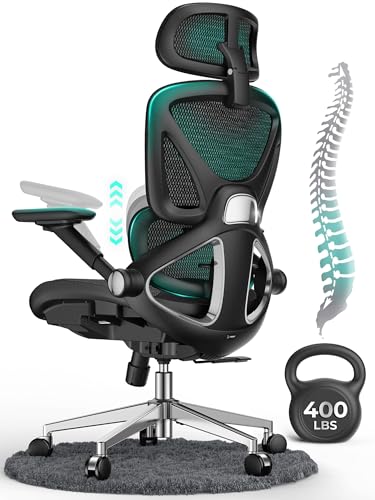
CAPOT Ergonomic Mesh Office Chair, Adjustable Lumbar High Back Desk Chair 400lbs, 4D Flip-up Arms, 3-Level Tilt Backrest, 3D Headrest, PU Wheels, Swivel Rolling Computer Seating for Long Desk Work
【STURDY, SNUG WORK CHAIR】Made for long sits over 8 hours of desk work. Micro-adjust lumbar support, flip-up arms,…
As an affiliate, we earn on qualifying purchases.
As an affiliate, we earn on qualifying purchases.
Too stiff, too loose—or just right?
Body weight influences the starting point, but comfort is the final test. Heavier users commonly need more resistance; lighter users often need less.
Relative resistance guide
Use these ranges as a directional guide—not a prescription. Mechanisms differ by chair.
The comfort spectrum
The ergonomic sweet spot sits between muscular resistance and uncontrolled backward movement.
slouch risk Balanced Too stiff
fatigue risk
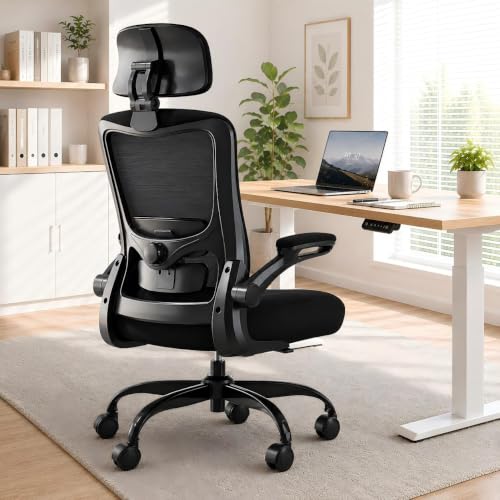
Ergonomic Office Chair for Long Hours, Full-Body Support, Relieve Neck & Back Pressure, 330LBS Capacity, Ideal for Home Office, Office & Study
【Full-Body Comfort for Long Workdays】Designed to support your body from head to hips, this ergonomic office chair helps…
As an affiliate, we earn on qualifying purchases.
As an affiliate, we earn on qualifying purchases.
Good tension supports movement, posture and focus
The chair should absorb and support your changes in position. When resistance is mismatched, your muscles compensate—and your attention follows the discomfort.
Less fatigue
Balanced resistance reduces the extra muscular effort required to lean back and return upright.
Better alignment
Controlled motion discourages collapsing into a slouch while keeping the spine supported through position changes.
More focus
A chair that responds predictably creates fewer discomfort-driven interruptions during long work sessions.
One small adjustment creates a useful chain reaction
Automatic tension is arriving
High-end chairs increasingly use weight-responsive mechanics or sensors to adjust resistance as posture changes. The goal is continuous support without repeated knob adjustments.
Repairability matters too
Durable, replaceable and recyclable mechanism components can extend chair life while making ergonomic performance easier to restore.
A simple annual maintenance rhythm
Dust, wear and loose components can create inconsistent resistance. Check the manufacturer’s instructions before lubricating or replacing any part.
Quick answers before you turn the dial
How do I know the setting is correct?
Lean back gently. It should require some effort without feeling like a workout, and the movement should remain smooth and controlled.
Can I replace the mechanism?
Many chairs allow replacement, but mounting dimensions and model compatibility matter. Confirm the specification before buying parts.
Why does the tension feel inconsistent?
Dust, wear, loose hardware or a damaged spring can be responsible. Clean and inspect first, then seek qualified repair if the issue persists.
Is there a universal ergonomic setting?
No. Adjustable tension is recommended because ideal resistance varies with weight, posture, reclining angle, chair design and personal preference.
Set the chair to resist you gently—not rigidly. If you can recline smoothly, stay supported and return upright without strain, you are in the right zone.
What exactly is recline and tilt tension? Here’s the quick scoop
Recline and tilt tension are the controls that determine how easily your chair leans back. Think of it as a volume knob for reclining effort. The tension setting is what you turn to make that tilt feel just right—neither too stiff nor too loose.
For example, if you weigh around 150 pounds, a moderate tension lets you lean back with some effort, but it still gives way when you want to shift positions. If you’re heavier or lighter, adjusting the tension makes sure the chair responds comfortably.
Why this matters: Proper tension ensures your chair responds appropriately to your movements. Too stiff, and you’ll struggle to recline comfortably, leading to muscle strain; too loose, and you risk slouching, which can cause back pain over time. The right setting balances effort and support, encouraging healthy posture and reducing fatigue during long periods of sitting.
How to adjust tilt tension in 3 simple steps
- Locate the tension knob underneath your chair’s seat—most are a round dial or a small lever.
- Turn the knob clockwise to increase tension—making it harder to recline.
- Turn counterclockwise to decrease tension—making it easier to lean back.
After each adjustment, test by leaning back gently. Remember, the goal is to find a setting that offers resistance but still allows you to move naturally. The correct tension setting is crucial because it directly impacts your comfort and posture. If set too high, your muscles work harder to recline, increasing fatigue over time. If too low, you may find yourself slouching or shifting excessively, which can cause back or neck strain. Striking the right balance helps maintain healthy spinal alignment and reduces the risk of musculoskeletal problems during long sitting sessions.
Reclining vs. tilting: What’s the difference and why it matters
| Feature | Recline |
|---|---|
| What it does | Tilts the backrest backward, supporting your spine during relaxed or focused work. |
| Common mechanism | Backrest pivot with tension control |
| Adjustability | Often lockable or free-floating |
In contrast, tilt mechanisms often involve both the seat and backrest moving together or independently, with tension controls that fine-tune resistance. This combo supports dynamic sitting, helping your body stay active instead of stiff.
Why it matters: The distinction influences your comfort and posture. Recline controls primarily support your spine during leaning back, which can relieve pressure on your discs and muscles. Tilt mechanisms, especially when adjustable, allow you to shift positions seamlessly, promoting movement and reducing stiffness. Both features working together enable a more active sitting experience, crucial for long-term musculoskeletal health. Choosing the right combination depends on your work style and preference for movement versus stability. Understanding these differences allows you to customize your chair to better suit your daily tasks and reduce the risk of discomfort or injury over time.
Why proper tension adjustment can save your back and boost focus
Think about the last time you sat in a chair that felt too stiff or too loose. Overly stiff tension forces your muscles to work harder to recline, which can cause fatigue and discomfort over time. Conversely, if the tension is too loose, your body may slouch or shift excessively, leading to poor posture and strain on your back and neck muscles.
Adjusting tension to match your weight and sitting style creates a balanced feel that promotes healthy posture. When the tension is right, your body can move naturally without exerting extra effort, reducing fatigue and preventing musculoskeletal issues. For example, a person who weighs 180 pounds might need to turn the knob more clockwise to achieve this balance, while someone lighter might prefer a looser setting. Proper adjustment is essential because it directly impacts your ability to maintain comfort and proper alignment. If the tension is not set correctly, you may find yourself constantly adjusting or experiencing discomfort, which can distract you from your work and contribute to long-term health problems. Achieving the correct tension fosters a more engaged, focused posture and reduces the risk of chronic musculoskeletal issues, making it a key component of ergonomic sitting.
Smart, modern chairs are making tension adjustments easier
Newer chairs are experimenting with tech that adjusts tension automatically. Some feature sensors that detect your weight or posture and tweak the resistance on the fly. It’s like having a personal ergonomic coach, but built into your seat.
For instance, a high-end model might sense when you lean back and loosen the tension as your weight shifts, so you don’t have to fiddle with knobs. These innovations aim to keep you comfortable without constant manual adjustments.
Regular maintenance keeps your tilt and tension working smoothly
Over time, dust, wear, or lack of lubrication can make your tension mechanisms stiff or unresponsive. Think of it like a door hinge that squeaks after years of neglect.
To keep things running smoothly, check and clean the mechanism once or twice a year. If tension feels inconsistent, a gentle spray of lubricant or a quick replacement of worn parts can restore balance. Proper maintenance extends your chair’s lifespan and keeps your comfort consistent.
Frequently Asked Questions
How do I know if my chair’s tension is set correctly?
Sit back gently and lean into the recline. It should require some effort, but not feel like a workout. Adjust the tension knob until leaning back feels comfortable and controlled.Can I upgrade or replace the tension mechanism?
Many chairs allow for replacement or upgrade of tension components, but check your model’s compatibility. It’s often easier to replace the entire mechanism if necessary.What if my chair’s tension keeps changing or feels inconsistent?
This might be due to dust, wear, or a loose component. Regular cleaning, lubrication, or part replacement can restore proper tension. If problems persist, consult a professional or consider a new chair.Are there ergonomic standards for setting tension?
While no universal standard exists, ergonomic guidelines recommend adjusting tension so that leaning back requires effort but remains comfortable—supporting healthy posture during prolonged sitting.Conclusion
Getting your recline and tilt tension just right transforms your chair from a static seat into an ergonomic ally. It’s about finding that sweet spot—where effort meets ease—and letting your chair support your body naturally.
Next time you settle in, take a moment to adjust the tension. Your back, neck, and focus will thank you. A simple tweak can turn hours of sitting into a more comfortable, productive experience.