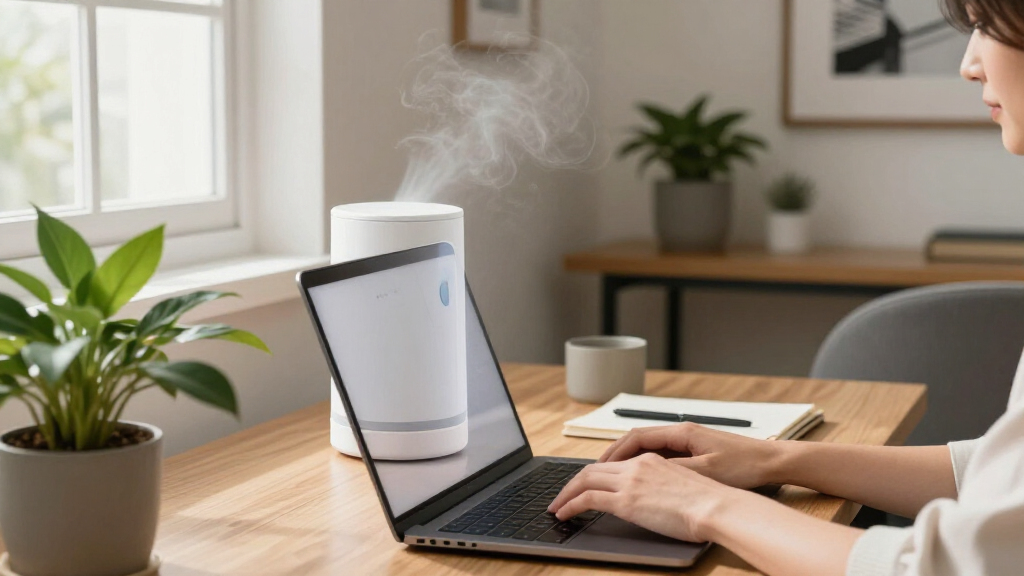

TL;DR

Get your home office setup delivered free — and shop member deals
- Fast, free delivery on millions of items
- Access to Prime Big Deal Days deals on October 6–7
- Prime Video, Amazon Music and more included
Diffusers can enhance your home office ambiance and may help with focus, but effects differ. Choose high-quality oils, use in moderation, and consider your personal response for best results.
Imagine sitting at your desk, the rich aroma of peppermint or lemon filling your space, making work feel a little easier. Does adding a diffuser actually boost your focus, or is it just a pleasant background noise? The truth is, scent can influence how you feel and work, but it’s not a magic switch. Understanding how diffusers fit into your home office routine can help you decide if they’re worth the space and effort.
In this guide, you’ll learn how different scents impact focus, what types of diffusers work best, and how to use them safely. Whether you’re a remote worker, student, or anyone looking to improve your work environment, this info can help you make smarter choices about scent and productivity.
Scent can influence mood and focus, but effects are highly personal and not guaranteed.
Choose the right diffuser type—ultrasonic diffusers are versatile and quiet for most home offices.
Use essential oils in moderation—start with small amounts and ensure good ventilation.
Peppermint and citrus are top scents for alertness; lavender promotes calm but may reduce alertness during work.
Always prioritize safety: high-quality oils, proper placement, and awareness of sensitivities.
Can Scent Really Help You Focus? Here’s the Truth
Yes, scent can influence your mood and mental state, but it’s not a guaranteed productivity booster. Certain aromas, like peppermint and citrus, are linked to increased alertness, while lavender promotes calm. However, the effect varies from person to person. Imagine a morning where the smell of fresh lemon energizes you, but your colleague finds it distracting.
Research from aroma psychology suggests that scent can create a favorable environment, but the scientific evidence for direct boosts in focus is mixed. It’s more about how scent interacts with your personal preferences and expectations. Think of scent as a subtle tool, not a shortcut to productivity.
Furthermore, the implications of relying on scent are nuanced. While it can help establish a mental association with alertness or calm, overuse or choosing an incompatible scent might backfire—causing distraction or fatigue instead. This means that understanding your individual response is crucial, and experimenting with different scents and intensities can help you find what truly supports your focus without becoming a sensory overload.
ultrasonic essential oil diffuser for home office
As an affiliate, we earn on qualifying purchases.
As an affiliate, we earn on qualifying purchases.
Which Diffuser Type Fits Your Home Office Needs?
Choosing the right diffuser is key, but beyond just the technical differences, understanding why each type matters can help you align your choice with your workspace goals. For example, ultrasonic diffusers are versatile and quiet, making them ideal for a home office where noise and distraction matter. Nebulizing diffusers produce a stronger scent, which might be useful if you want a quick, potent aroma, but they can be louder and more expensive, which could be a tradeoff in a quiet work environment. Heat diffusers are simple and inexpensive but might alter the scent over time due to heat degradation, possibly affecting the consistency of your experience. Evaporative diffusers are portable and easy to use, but their scent control is less precise, which could lead to unpredictable levels of aroma.
Understanding these tradeoffs helps you select a diffuser that balances your need for quiet, scent strength, and ease of use. For instance, if your priority is a calm, adjustable scent environment, ultrasonic diffusers often provide the best compromise of quiet operation and control, making them a popular choice for many home offices.
As an affiliate, we earn on qualifying purchases.
How to Use Diffusers Without Overwhelming Your Space
- Start with just 10-15 minutes. Use a timer to avoid scent fatigue and ensure your space doesn’t become overwhelming. Extended exposure can desensitize your olfactory senses, reducing the effectiveness of the scent and potentially causing discomfort.
- Place the diffuser in a central spot, away from direct drafts or vents. This helps distribute the scent evenly and prevents concentrated pockets that might be overpowering or irritating.
- Use only a few drops of high-quality essential oil — about 3-4 drops for a small room. Too much oil can lead to overpowering scents that cause headaches or nausea. High-quality oils also tend to be purer and less likely to cause irritation, making your experience safer and more pleasant.
- Keep windows slightly open to vent excess scent and maintain air circulation. Proper ventilation prevents scent buildup, which can lead to sensory fatigue or headaches, especially in enclosed spaces.
- Adjust scent intensity: move the diffuser farther away, reduce the number of drops, or turn it off when the scent becomes too strong. Monitoring and adjusting the scent level helps you maintain a comfortable environment that supports focus without distraction or discomfort.
For example, setting your diffuser for a 20-minute session during your most demanding tasks allows you to benefit from the scent while minimizing the risk of overstimulation. Pay attention to how your mood and focus respond—if it becomes too overpowering, turn it off or dilute further. The goal is a balanced environment that subtly enhances your productivity without overwhelming your senses.
quiet ultrasonic diffuser for workspace
As an affiliate, we earn on qualifying purchases.
As an affiliate, we earn on qualifying purchases.
The Best Scents for Focus and Calm — What Science Says
Some scents are better suited for concentration or relaxation, but understanding why they matter can deepen your appreciation of their effects. For example, peppermint contains compounds that stimulate the nervous system, potentially increasing alertness and cognitive performance—this makes it a popular choice for tasks requiring mental clarity. Citrus scents like lemon and orange are uplifting because they evoke feelings of freshness and vitality, which can counteract midday fatigue. Eucalyptus, with its invigorating aroma, can help clear mental fog, making it easier to focus. Lavender, on the other hand, has calming properties that reduce stress; however, during work hours, its relaxing effect might diminish alertness, especially if used excessively.
Research indicates that individual responses to scents are highly variable—some people experience significant benefits, while others notice little or even adverse reactions. This variability underscores the importance of personal experimentation and understanding the context in which these scents are used. For example, peppermint might boost alertness during a morning meeting, but in the afternoon, a more calming scent like lavender could help you unwind after work. Recognizing these nuances allows you to tailor your scent choices to your specific focus or relaxation needs, optimizing their effectiveness in your unique environment.
high-quality essential oils for diffusers
As an affiliate, we earn on qualifying purchases.
As an affiliate, we earn on qualifying purchases.
Safety Tips for Using Diffusers in Your Home Office
Diffusers are generally safe if used correctly, but understanding the subtle tradeoffs can help you avoid common pitfalls. High-quality, pure oils are less likely to cause allergic reactions or irritation, but even these can trigger sensitivities in some individuals. Using oils in a well-ventilated space helps prevent scent build-up that could lead to headaches or respiratory discomfort. Keep diffusers out of reach of children and pets to avoid accidental ingestion or misuse, which can be dangerous. Over-scenting can also diminish the positive effects of scent, leading to sensory fatigue or headaches. If you notice symptoms like headaches, nausea, or respiratory issues, it’s a sign to stop use and increase ventilation or switch to milder options.
For example, a remote worker with allergies found that limiting essential oils to a single drop and enhancing airflow significantly reduced their discomfort, illustrating how mindful use can mitigate risks. Recognizing the subtle tradeoffs—such as the risk of overexposure versus the benefits of scent—allows you to create a safe, effective environment that supports your focus without compromising health or comfort.
Frequently Asked Questions
Do diffusers actually improve focus and productivity?
Some users report better focus with certain scents, but scientific results are mixed. Effectiveness depends on personal preference and mindset. Think of scent as a mood enhancer, not a magic fix.
What are the safest essential oils to use in a home office?
High-quality, pure oils like peppermint, lemon, and eucalyptus are generally safe if used in small amounts. Always check for allergies and start with a few drops, increasing cautiously. Avoid synthetic or heavily adulterated oils.
How long should I run a diffuser during work?
Start with 15-30 minute sessions, especially during intense tasks. Use timers and keep the scent level moderate. Overdoing it can cause fatigue or irritation, so listen to your body.
Can diffusers cause allergies or respiratory issues?
Yes, especially if oils are low quality or used excessively. People with sensitivities should choose oils carefully, ensure good ventilation, and monitor their reactions.
Are there scientific studies supporting scent-based productivity?
Some research suggests certain scents can improve mood and alertness, but conclusive evidence linking diffusers directly to productivity is limited. It’s best used as part of a holistic workspace approach.
Conclusion
Diffusers can subtly shape your work environment, making it more inviting or energizing. But they’re just one piece of the puzzle. Ultimately, listening to your senses and respecting your space will lead you to the best setup.
Next time you reach for that bottle of peppermint or lavender, remember: scent is a tool, not a guarantee. Use it wisely, and your home office might just become your favorite workspace.
Halloween Picks
halloween
As an affiliate, we earn on qualifying purchases.