
TL;DR

Get business pricing on your home office setup
- Business-only prices and quantity discounts
- Tax-exempt purchasing
- Multiple users, one account, clear invoices
Fitting a standing desk into a small space like a corner or closet is achievable with foldable, wall-mounted, or multi-functional solutions. Proper organization and ergonomic setup turn tiny areas into productive work zones.
Imagine transforming a cramped corner or a forgotten closet into a sleek, functional home office station. It’s entirely possible — if you know the right tricks. Small spaces demand smart solutions, but with a little creativity, you can fit a standing desk into even the tightest spots.
This guide walks you through practical ways to make the most of corners and closets. You’ll learn how to choose the right furniture, optimize ergonomics, and keep your workspace organized — all without sacrificing style or comfort.
Choose foldable, wall-mounted, or corner desks to save space in small rooms.
Prioritize vertical storage and organization to keep clutter out of your tiny workspace.
Ensure your desk height is adjustable for comfort and good posture, even in tight spots.
Use anti-fatigue mats and monitor arms to boost ergonomics without sacrificing space.
Natural light and smart organization turn even a closet into a productive home office.
How to Turn a Tiny Corner into a Standing Desk Zone
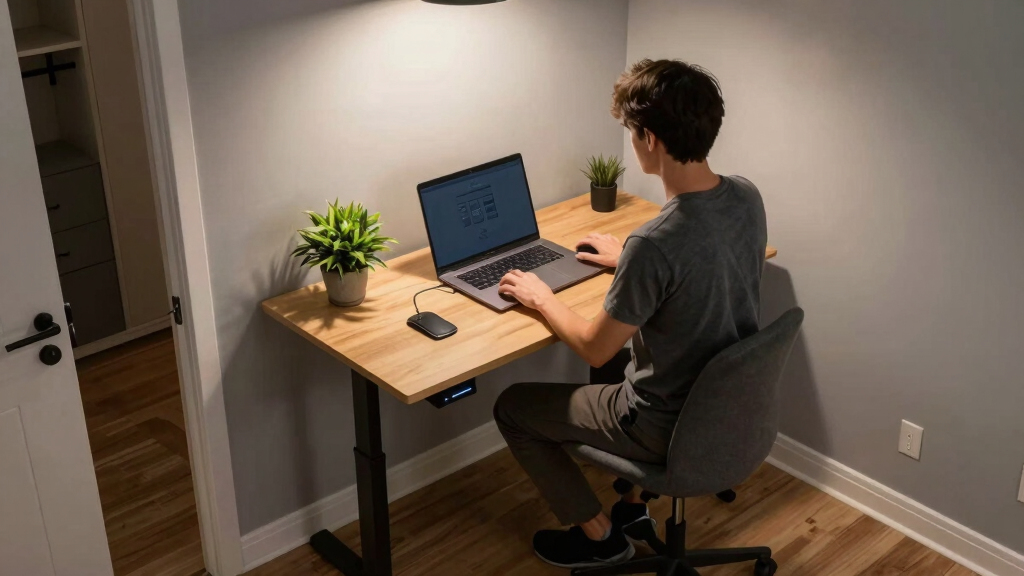
In a small home, corners are gold mines. They’re often underused but perfect for a standing desk. The key is selecting a desk that fits snugly without crowding the room. A corner desk with a triangular shape can sit flush against two walls, saving space while providing enough surface for a monitor, keyboard, and mouse.
For example, a 48-inch wide corner desk can comfortably hold a dual monitor setup, a wireless keyboard, and still leave room to stretch. Pair this with vertical storage like wall-mounted shelves to keep clutter off the surface. Light-colored surfaces and minimal hardware help the space feel open, not cramped.
Choosing the right corner desk isn’t just about size; it’s about understanding how it impacts your workflow. A well-designed corner desk can create a dedicated zone that encourages focus, but if it’s too bulky or poorly placed, it might hinder movement and cause discomfort. The tradeoff is balancing surface area with the overall flow of your room, ensuring that your ergonomic needs are met while maintaining an open feel.
foldable wall-mounted standing desk
As an affiliate, we earn on qualifying purchases.
As an affiliate, we earn on qualifying purchases.
Fitting a Standing Desk into a Closet — Yes, Really!
Closets are often overlooked as potential workspaces. A closet system with a built-in desk or a fold-down wall-mounted desk can turn storage into productivity. For instance, a 3-foot wide closet can house a folding desk that swings down when needed and stows away when not.
Imagine a closet in your home office that hides your workspace behind doors. When folded down, it reveals a sturdy standing desk surface. Use wall-mounted pegboards and vertical bins inside to keep supplies organized and out of sight. The trick is choosing a desk with adjustable height, so it suits your standing preference.
Transforming a closet into a functional workspace involves weighing convenience against potential limitations. While fold-down desks save space, they may limit work surface area or stability if not properly installed. The ergonomic consideration is ensuring the desk height aligns with your standing posture to prevent strain. The tradeoff here is between maximizing space and ensuring comfort and durability for daily use.
corner space-saving desk for small home office
As an affiliate, we earn on qualifying purchases.
As an affiliate, we earn on qualifying purchases.
Top Space-Saving Standing Desk Options for Small Places
| Type | Features | Best For |
|---|---|---|
| Corner Desks | Triangular shape, fits into corners, often with storage | Maximizing corner space |
| Wall-Mounted Desks | Fold-down, adjustable height, minimal footprint | Closets, small alcoves |
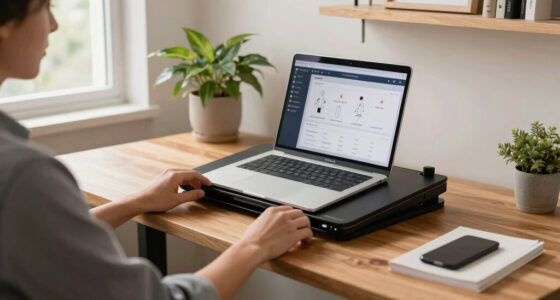
| Standing Desk Converters | Placed on existing surfaces, portable, adjustable | Small desks, multi-use spaces |
height adjustable standing desk for closet
As an affiliate, we earn on qualifying purchases.
As an affiliate, we earn on qualifying purchases.
How to Make Your Small Space Ergonomic and Comfortable
Even in tight quarters, comfort matters. Start with a height-adjustable desk that can go from sitting to standing effortlessly. Use a supportive anti-fatigue mat to reduce fatigue during long hours of standing.
Place your monitor at eye level, about 20 inches from your face, to prevent neck strain. Keep your keyboard and mouse close enough to avoid reaching. For example, a monitor arm can free up surface space and provide flexible positioning.
Lighting is key. Add a small desk lamp or position your setup near a window to enjoy natural light. Good airflow, especially in closets, prevents stuffiness and keeps you comfortable.
Understanding the importance of ergonomics in small spaces is crucial because cramped environments can easily lead to poor posture and discomfort. Proper setup not only enhances comfort but also prevents long-term health issues. The tradeoff is balancing space constraints with ergonomic needs—sometimes, it requires investing in adjustable equipment or accessories that maximize comfort without taking up extra room.
compact fold-down desk for small spaces
As an affiliate, we earn on qualifying purchases.
As an affiliate, we earn on qualifying purchases.
Organizing a Tiny Workspace Without Chaos
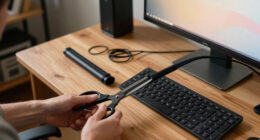
Clutter can turn a tiny space into chaos. Use vertical storage like wall-mounted bins or pegboards to keep supplies within reach but off your surface. Magnetic strips hold tools like scissors or chargers, freeing up desk space.
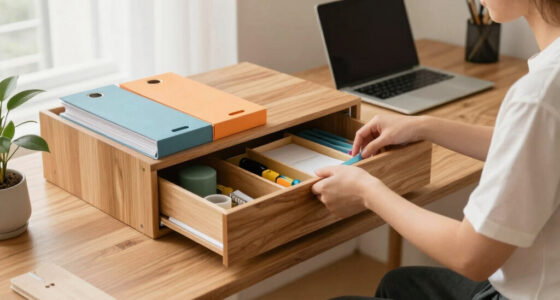
Consider multi-functional furniture, like a fold-out shelf that doubles as a monitor stand. Inside closets, install slim drawers or baskets to hold cables, notebooks, and other essentials. Keep a dedicated cord organizer to avoid tangled messes.
Understanding the impact of organization on productivity is essential. A cluttered workspace can cause stress, reduce focus, and even hinder efficiency. The tradeoff with minimal space is that every item needs a designated spot, and vertical storage is often the most effective. Regular decluttering and thoughtful placement of essentials make the difference between a chaotic mess and a streamlined workspace.
Final Tips for a Compact, Ergonomic Standing Desk Setup
Consistency is key. Set your desk height to roughly 40 inches for most adults — adjustable models make this easy. Test your setup by standing with your elbows at a 90-degree angle; if it feels natural, you’re good to go.
Use a small anti-fatigue mat to cushion your feet. Keep your workspace well-lit with a mix of natural and task lighting. And don’t forget to take breaks — a quick stretch every 30 minutes keeps your body happy.
Finally, personalize your space with calming colors or small plants. Even in a closet or corner, a touch of nature or soft lighting can make the area inviting. Creating a comfortable environment enhances productivity and reduces fatigue, especially in confined spaces where discomfort can be more pronounced. The tradeoff is investing in ergonomic accessories that may take up minimal space but significantly improve your overall well-being.
Frequently Asked Questions
How do I fit a standing desk into a tiny corner without making it feel cramped?
Opt for a corner desk with a triangular shape to maximize surface area without crowding. Keep clutter minimal and use vertical storage to free up space. Light colors and simple designs help the area feel open, even when small.Are fold-down or wall-mounted desks durable enough for daily use?
Yes, many wall-mounted desks now feature sturdy materials and reliable hinges designed for everyday use. Look for models with metal brackets and solid wood or high-quality laminate surfaces to ensure stability over time.What are the best ergonomic tips for working in a small closet setup?
Use a height-adjustable desk to match your standing height. Place a supportive anti-fatigue mat under your feet. Keep your monitor at eye level and your keyboard close. Good lighting and regular breaks help prevent fatigue and discomfort.How can I keep my small home office organized and clutter-free?
Use vertical space with shelves and pegboards. Incorporate multi-functional furniture like fold-out desks or storage bins. Regularly declutter and assign specific containers or baskets for cables, supplies, and documents.Conclusion
Small spaces don’t have to limit your work comfort or productivity. With creative furniture and a focus on ergonomics, a corner or closet can become your best workspace. Just remember: good organization and adjustable setup make all the difference.
Transform your tiny area into a place you actually enjoy working in — because space is just the start. Your ideal home office might be smaller than you think, but it can still be mighty.
Fall Picks
fall essentials
As an affiliate, we earn on qualifying purchases.