TL;DR

Get business pricing on your home office setup
- Business-only prices and quantity discounts
- Tax-exempt purchasing
- Multiple users, one account, clear invoices
Treadmill desks and walking pads let you stay active while working, reducing sedentary time and boosting focus. Proper setup and gradual use are key to safe, effective integration into your daily routine.
Start slow with walking speeds around 1 mph and increase gradually to avoid discomfort.
Proper ergonomic setup—desk height, monitor position, supportive shoes—is essential for comfort and safety.
Choose a device based on your space, budget, and mobility needs: treadmill desks are sturdy but costly, walking pads are portable and affordable.
Integrate walking into your routine with task-appropriate activities and regular breaks for maximum benefit.
Consult with a healthcare professional if you have health concerns before starting to walk while working.
What Exactly Are Treadmill Desks and Walking Pads?
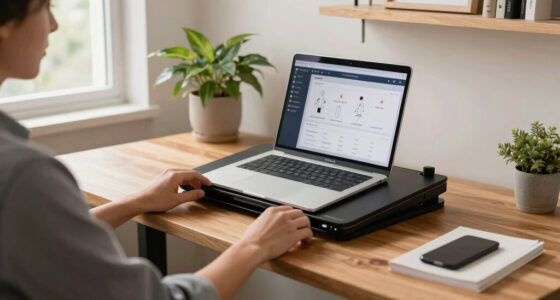
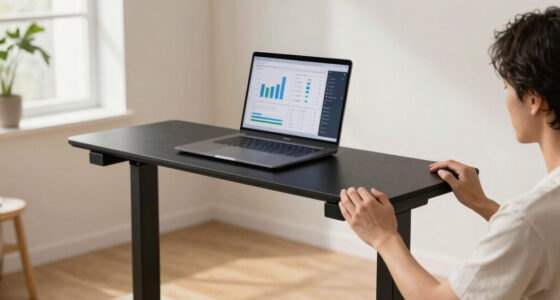
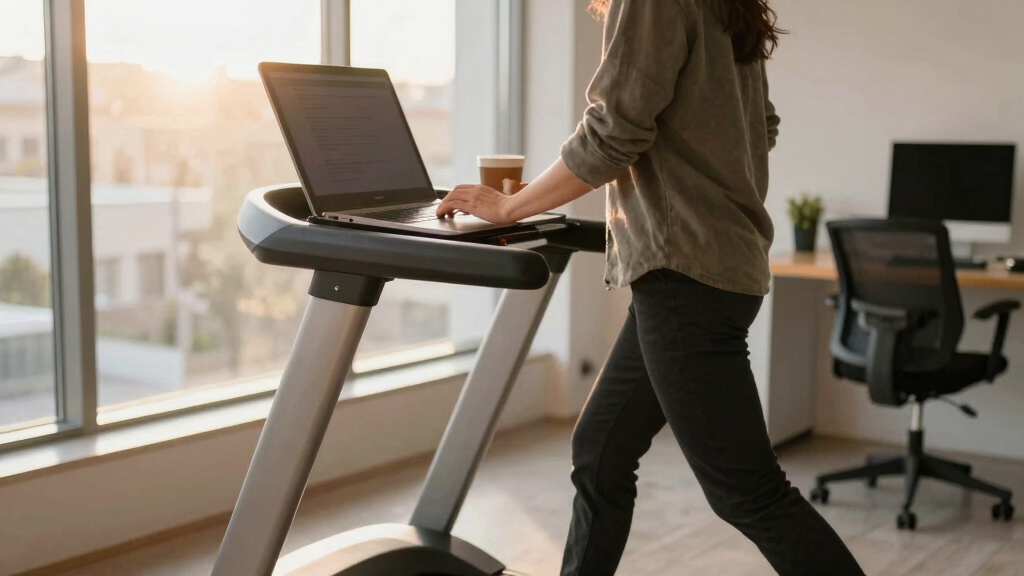
Treadmill desks are large, full-sized treadmills equipped with a desk surface, designed to sit in an office or home workspace. Walking pads are smaller, foldable devices that slip under your existing desk, making them perfect for compact spaces or those who want portability.
Think of a treadmill desk as a mini treadmill combined with a standing desk, often costing between $1,000 and $3,000. A walking pad is more like a sleek, quiet treadmill on wheels, typically under $500, easily tucked away when not in use.
For example, Sarah upgraded her home office with a walking pad that fits under her standing desk. Now, she walks at 1.5 mph while checking emails or attending virtual meetings, feeling less stiff and more alert through her day.
treadmill desk with adjustable height
As an affiliate, we earn on qualifying purchases.
As an affiliate, we earn on qualifying purchases.
Why Using a Treadmill or Walking Pad Can Transform Your Workday
Using a treadmill desk or walking pad reduces sedentary time, which according to studies, can cut sitting hours by up to 50%. That’s a big deal if you spend most of your day at a computer.
Extended periods of sitting are associated with increased risks of cardiovascular disease, obesity, and metabolic issues. Incorporating walking breaks helps mitigate these risks by promoting circulation, reducing muscle stiffness, and improving overall metabolic health. Moreover, these devices can enhance mental clarity—movement increases blood flow to the brain, supporting better focus and creativity. The tradeoff is that walking while working requires some adjustment; your body needs time to adapt to the new rhythm, and tasks requiring fine motor skills may temporarily feel more challenging. But with consistent practice, the benefits far outweigh these initial inconveniences.
Take Mark, a software developer, who reports feeling more energized and less sluggish after integrating a walking pad into his routine. He walks during calls and code reviews, noticing improved focus and a healthier posture.
foldable walking pad for under desk
As an affiliate, we earn on qualifying purchases.
As an affiliate, we earn on qualifying purchases.
How to Set Up Your Treadmill Desk or Walking Pad for Comfort and Safety
- Start with a slow pace. Begin at 1 mph to get used to walking while working. This minimizes the risk of fatigue or imbalance, especially if you’re new to this activity.
- Adjust your desk height so your elbows are at 90 degrees. Keep your monitor at eye level. Proper ergonomic alignment prevents neck and shoulder strain, which can occur if you lean forward or hunch over due to improper setup.
- Choose a quiet, stable space to minimize distractions and vibrations. A stable surface reduces the risk of falls or equipment slipping, and a quiet environment helps maintain focus during meetings or concentrated tasks.
- Wear supportive shoes and take regular breaks to stretch or sit down. Supportive footwear reduces joint stress, and frequent breaks prevent muscle fatigue and stiffness, especially important for maintaining long-term comfort and avoiding overuse injuries.
For example, Jason set up his treadmill desk by lowering his monitor and using an anti-fatigue mat. He gradually increased his walking speed over a week, avoiding discomfort and ensuring his posture stayed correct. Remember, ergonomic setup isn’t just about comfort—it’s about preventing injury and ensuring sustained productivity. Taking the time to fine-tune your workspace pays off by reducing strain and enhancing your overall experience.
Always listen to your body; if you experience discomfort, reassess your setup or pace. Prioritizing safety and comfort ensures this new routine remains sustainable and beneficial.
office treadmill for walking while working
As an affiliate, we earn on qualifying purchases.
As an affiliate, we earn on qualifying purchases.
Balancing Productivity and Physical Movement: Tips for Success
- Start slow. Walk for 15-minute intervals and gradually extend your time. This helps your body adapt without causing fatigue or discomfort.
- Choose tasks that don’t require intense typing or fine motor skills—like reading, brainstorming, or meetings. High-precision tasks can be challenging while walking, so reserve these for periods when you’re stationary.
- Use a timer or app to track your walking time and prevent overexertion. Monitoring your activity helps develop consistent habits and avoids burnout or injury.
- Incorporate stretches and posture checks every hour to prevent discomfort. Regular movement and posture adjustments promote circulation and reduce muscle tension, making long work sessions more comfortable.
For instance, Emily uses a timer app to remind herself to stretch every hour. She also switches between walking and standing to keep her body comfortable and her mind sharp. Over time, this approach helps her develop a sustainable routine that integrates movement seamlessly into her workday, leading to improved focus and reduced fatigue.
Finding your rhythm is key. The more you practice, the more natural walking while working becomes. This not only enhances physical health but also boosts mental clarity, making work feel less like a chore and more like an active, engaging experience.
portable under desk walking treadmill
As an affiliate, we earn on qualifying purchases.
As an affiliate, we earn on qualifying purchases.
Comparing Treadmill Desks and Walking Pads: Which Fits Your Life?
| Feature | Treadmill Desk | Walking Pad |
|---|---|---|
| Size | Large, stationary, takes up significant space | Compact, foldable, easily stored |
| Cost | $1,000 — $3,000+ | Under $500 |
| Portability | Limited, mostly stationary | High, folds for storage |
| Noise Level | Moderate to loud | Quiet, suitable for shared spaces |
| Ease of Setup | Requires more space and assembly | Simple, quick setup |
Choosing depends on your space, budget, and how mobile you want to be. If you work in a dedicated office space and want a permanent setup, a treadmill desk might be ideal. For smaller apartments or flexible use, a walking pad offers convenience and affordability. Consider the tradeoffs: larger, more stable desks can support longer durations but are less portable, while foldable pads may require more frequent adjustments but fit into smaller spaces. Balancing these factors ensures you select a device that aligns with your lifestyle and work habits, making movement a natural part of your day rather than an inconvenience.
What You Need to Know Before Jumping In
Walking while working is generally safe, but it’s not for everyone. People with joint issues, balance concerns, or certain health conditions should consult a doctor first. Understanding your personal health profile helps prevent unforeseen complications and ensures that this activity complements your physical condition rather than exacerbates existing issues.
Start slow—initial sessions should be short, 15-20 minutes, at the lowest speed. This gradual approach allows your muscles and joints to adapt, reducing the risk of strains or fatigue. Listening to your body is crucial; if you experience dizziness, stiffness, or pain, stop immediately and reassess your method. Over time, as your body adjusts, you can increase duration and speed, but always prioritize safety over speed.
Ensure your workspace is ergonomically sound. Adjust your monitor and keyboard to avoid neck or wrist strain, and keep your posture aligned. Regular breaks and stretches are essential to prevent discomfort or injury, especially if you spend several hours walking each day. Remember, this isn’t just about adding movement—it’s about doing so safely and sustainably. Consulting with a healthcare professional before starting can provide personalized guidance tailored to your specific needs and limitations.
Will Using a Treadmill or Walking Pad Make You More Productive?
Many users find that walking during work boosts alertness and focus. The gentle movement helps stave off fatigue and mental dullness by increasing blood flow and oxygen to the brain, which can enhance cognitive function. This can translate into quicker decision-making, improved creativity, and a more energized work session.
For instance, Alex reports that walking during meetings helps him stay engaged and reduces his afternoon slump. Walking also encourages micro-breaks that refresh the mind. However, some tasks—like detailed data analysis or complex design work—may be more difficult to perform while walking, especially at higher speeds or with intricate tasks requiring fine motor skills. The key is experimenting with different speeds and activities to find your optimal balance. Over time, many discover that integrating movement into their routine not only sustains their energy levels but also fosters a more positive attitude toward work, transforming it from a static obligation into an active, health-promoting experience.
Frequently Asked Questions
Can I use a treadmill desk for all types of work?
Treadmill desks work best for tasks that don’t require intense typing or fine detail. Creative brainstorming, meetings, and casual reading are ideal; complex data entry or design work may need periods of stillness.How long should I walk during work?
Aim for 15-30 minutes each hour at a comfortable, steady pace. Listen to your body and adjust based on your energy and task demands, gradually increasing as you get used to it.Is it safe if I have health issues?
Consult your healthcare provider first. Start with very slow speeds and short sessions, paying close attention to how your body responds. Proper setup and gradual adaptation are key.Will I disturb my coworkers or family?
Choose quiet, low-speed models and place devices in a space where noise and vibrations won’t cause issues. Walk pads are especially quiet and suitable for shared environments.How do I avoid discomfort or injury?
Ensure ergonomic setup—adjust your desk, monitor, and keyboard—start slow, and take regular breaks to stretch. If you feel pain, stop and reassess your setup or pace.Conclusion
Turning your workspace into an active zone is more accessible than ever. With the right setup, patience, and a dash of curiosity, you can reframe work as movement, not just sitting. Your body and mind will thank you for it—so why not start today? Imagine a day where your workday feels lighter, healthier, and more energized—just a step away.Fall Picks
fall essentials
As an affiliate, we earn on qualifying purchases.