
TL;DR

Get business pricing on your home office setup
- Business-only prices and quantity discounts
- Tax-exempt purchasing
- Multiple users, one account, clear invoices
A Veranda report gathers art-buying advice from interior designers, including researching prices and artists, assessing a room before shopping, and setting a budget. The designers recommend choosing work that resonates personally, while using dealers or consultants to help verify provenance for higher-cost purchases.
Veranda has published advice from interior designers on how to shop for art, covering market research, budgets, room planning and ways to find sellers. The report’s central guidance is to balance practical checks—especially for costly purchases—with the buyer’s own taste, rather than treating art only as an investment or a finishing touch.
New York designer and shop owner Katie Leede recommends looking at available works and prices on sites such as Artnet before buying. She also suggests speaking with gallery staff or an art consultant, contacting artists directly and checking upcoming auctions. According to Leede, a work that does not meet its auction reserve may still be available through the auction house afterward, though buyers should confirm the terms and price directly.
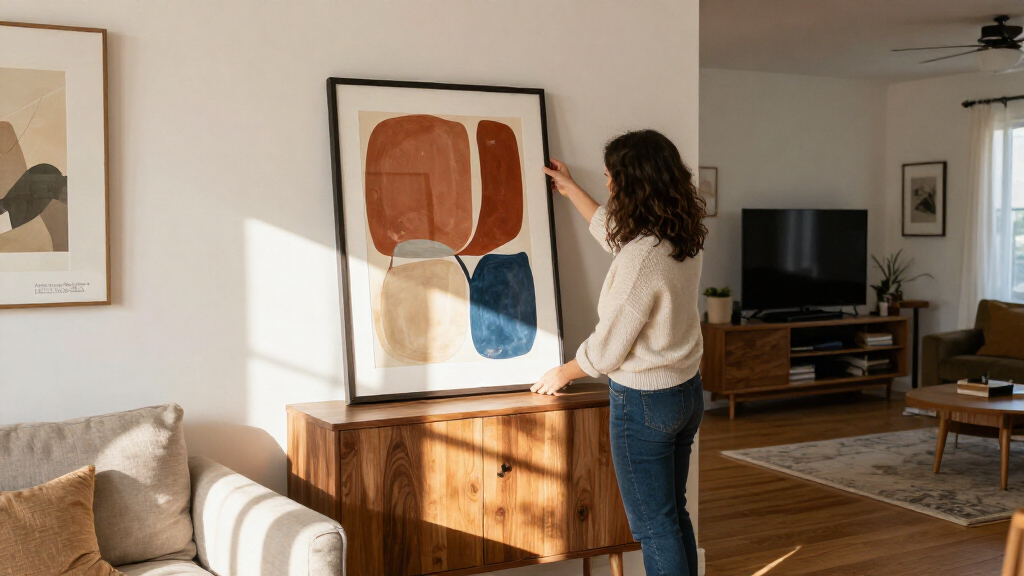
For shoppers working with limited funds, New York- and London-based designer Christina Nielsen says building relationships with local dealers and vendors can help expand access to established and emerging artists. New Orleans designer Hattie Sparks Collins advises measuring and assessing the intended space first, then deciding how much to spend and whether to buy a reproduction or an original, a process that can benefit from an interior designer’s perspective. Subject, medium, layout and the room’s colors can help narrow the search.
Other suggestions focus on fit and verification. New York designer Joy Moyler says buyers should choose art they want to see every day, and use colors in the work to guide framing choices. Designer Stewart Manger recommends an art consultant for buyers making a substantial investment, saying consultants can check provenance with artist foundations. The report also notes auction-house specialists as a resource on different periods, styles and media.
Plan the Purchase Before the Artwork
The advice offers a way to make art shopping less dependent on impulse without reducing the decision to price or resale prospects. Room measurements, a spending limit and a clear sense of personal preference can help shoppers compare options and avoid buying a piece that does not work for the space or their budget.
For higher-priced works, provenance checks have financial and practical importance: buyers need reliable information about a work’s origin and whether it is part of an artist’s recognized output. The designers’ suggestions do not guarantee a sound investment, but point readers toward people and records that may help them ask better questions before paying.
The report also makes a distinction between original art and decorative alternatives such as reproduction prints. Those choices can serve different budgets and goals. A buyer can spend more on framing for an affordable print, or focus on an original if the budget and priorities allow.
Products Worth Considering

DEWALT 20V MAX Drill/Driver and Impact Driver Combo Kit (DCK240C2)

Bosch 1617EVSPK 2.25 HP Fixed- and Plunge-Base Router Kit

Milwaukee M12 Fuel 1/4 Hex Impact Driver Kit
As an affiliate, we earn on qualifying purchases.
From Room Planning to Art Sources
The Veranda report is a service-oriented roundup, not a market survey or a record of a particular sale. It presents recommendations from designers with experience sourcing work for clients and their own homes. The methods described range from online price research and auctions to local dealers, galleries and direct contact with artists.
Its practical sequence begins with the room and budget, then moves to subject, medium and color. Collins says art need not match a room exactly, but should complement it. Moyler likewise suggests letting artwork inform frame and mat choices, and keeping wall finishes relatively simple when displaying a group of pieces. These are design preferences offered by the named professionals, not universal rules.
““Remember that if a piece at an auction doesn’t meet its minimum bid, you can still make an offer on it through the auction house the following day.””
— Katie Leede, New York designer and shop owner
Prices and Provenance Need Checking
The report does not provide price ranges, data on art-market returns or independent evidence that any particular source offers better value. Its suggestions are attributed to designers and should be treated as professional advice, not guarantees about a work’s quality, authenticity or future resale price.
It is also unclear from the source material when the report was published. Auction procedures and post-sale offers vary, so buyers should ask the auction house about deadlines, fees, condition reports and any applicable buyer’s premium. A consultant’s involvement does not by itself establish authenticity; buyers should ask what documentation supports a provenance claim.
Verify Details Before You Buy
The report does not announce a policy change, new program or scheduled follow-up. For shoppers acting on its advice, the next steps are individual: measure the wall, set a spending cap, compare works and sellers, and ask for documentation before committing to a costly purchase. Auction buyers can contact the house about unsold lots and terms, while those considering original work can ask sellers about condition, provenance and return policies.
Whether buying a print or an original, the designers’ recommendations leave the final choice with the buyer: the work should suit the available space and budget, while also being something the owner wants to live with.
Key Questions
What does the report recommend doing before shopping for art?
It recommends assessing the space, deciding on a budget and considering the kind of subject and medium you want. Leede also advises researching available works and prices before making a purchase.
Do designers say art has to match a room’s colors?
No. Collins says art does not need to match the room’s color scheme, but should complement the space. Moyler suggests using colors in the artwork to guide frame or mat choices.
How can a buyer check provenance?
Manger recommends asking an art consultant to help verify provenance, including by checking with an artist’s foundation. Buyers can also request supporting records from the seller and clarify what a specialist has verified.
Can buyers make an offer after an artwork fails to meet its auction minimum?
Leede says a buyer may be able to make an offer through the auction house the following day. Rules vary by sale, so buyers should confirm availability, timing, fees and terms with the auction house.
Source: veranda.com